Recent Israeli airstrikes on the Lebanese village of Mashghara have resulted in at least 12 fatalities, intensifying an already volatile situation in the region. This escalation comes as Israel targets Hezbollah infrastructure, further straining a fragile ceasefire brokered by the US. The ongoing conflict has already led to significant casualties and displacement, with over 3,100 deaths reported in Lebanon since the war began.
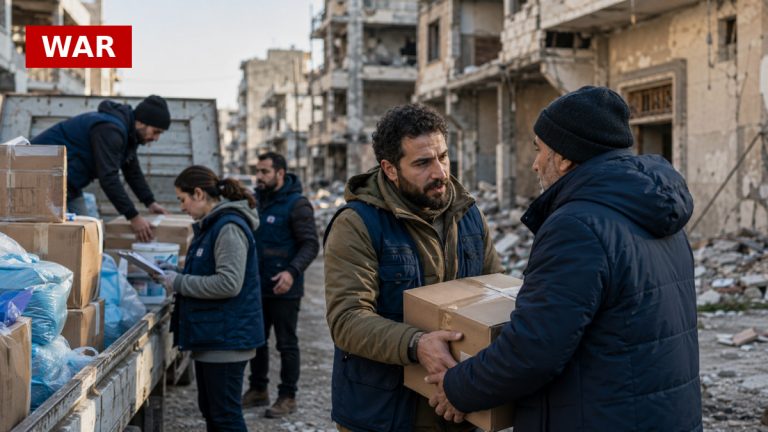
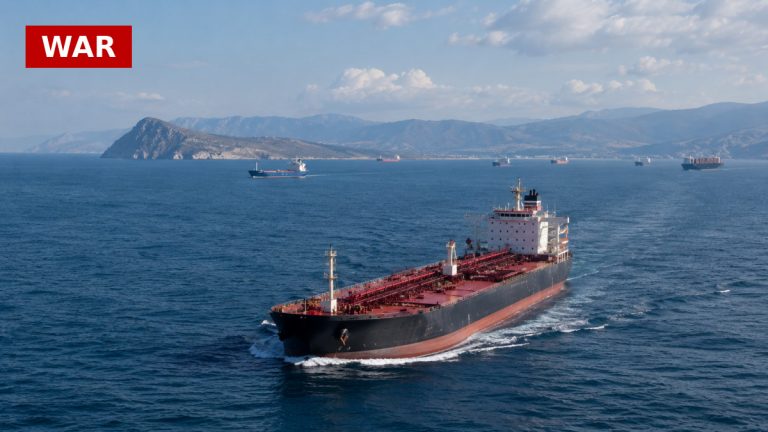
For UK readers, this situation highlights the potential for broader regional instability that could affect international relations and security. As tensions rise, the UK government may face pressure to respond to humanitarian needs or to reassess its diplomatic stance in the Middle East. The conflict could also have implications for energy prices and supply chains, particularly if it disrupts oil transport routes.
Moreover, the conflict’s escalation may lead to increased scrutiny of UK arms sales to Israel and the ethical considerations surrounding military support. Public opinion in the UK could shift, prompting discussions about foreign policy and humanitarian interventions in conflict zones.
As the situation develops, UK citizens should remain informed about how international conflicts can impact domestic policies and economic conditions. The repercussions of this violence may not be immediately visible but could manifest in various ways, from economic pressures to shifts in public sentiment regarding foreign policy.
Source: Al Jazeera