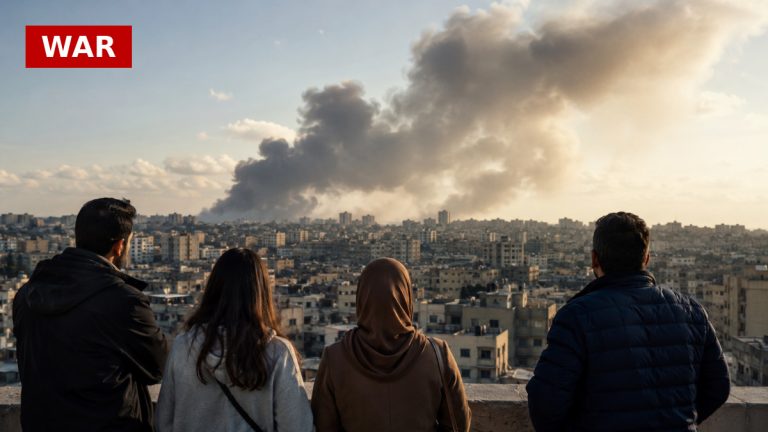
Israeli settlers have set fire to two mosques in the occupied West Bank, an act that follows deadly clashes which left six people dead. This escalation of violence is not just a local issue; it reflects a broader trend of increasing tensions in the region, particularly since the outbreak of conflict on October 7, 2023. The attacks, described as systematic pogroms by Palestinian authorities, highlight the fragility of the situation and the potential for further unrest.
The implications of these incidents extend beyond immediate violence. They signal a deterioration of relations between Israeli settlers and Palestinian communities, which could lead to more severe retaliatory actions. The Netanyahu government’s policies, which support settlement expansion, are likely to exacerbate these tensions, undermining any prospects for peace and stability in the region.
Furthermore, the international community’s response to these events may influence future diplomatic efforts. With calls for negotiations from figures like Pope Leo XIV, the pressure is mounting for a reassessment of policies that contribute to the cycle of violence. The ongoing conflict poses significant risks not only to local populations but also to broader geopolitical stability.
As violence continues to escalate, the potential for a humanitarian crisis grows, with increasing casualties on both sides. The situation demands urgent attention to prevent further deterioration and to seek a path towards a just resolution that respects the rights of all involved.
Source: DW News