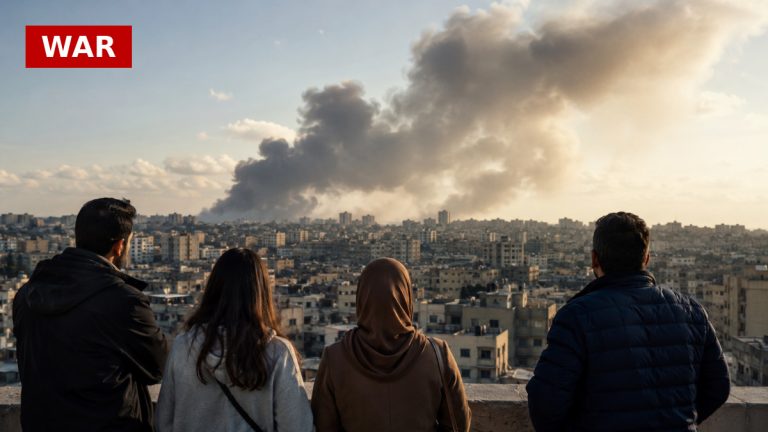
Yemeni government forces have launched a significant counteroffensive against Houthi rebels, aiming to reclaim the capital, Sanaa. This escalation marks a critical shift in the ongoing conflict, which had seen a lull following a UN-brokered truce in 2022. The renewed fighting, particularly in strategic provinces like al-Bayda and al-Jawf, could have wider implications for regional stability, especially given the Houthis’ ties to Iran and their recent blockade of Saudi shipping routes.
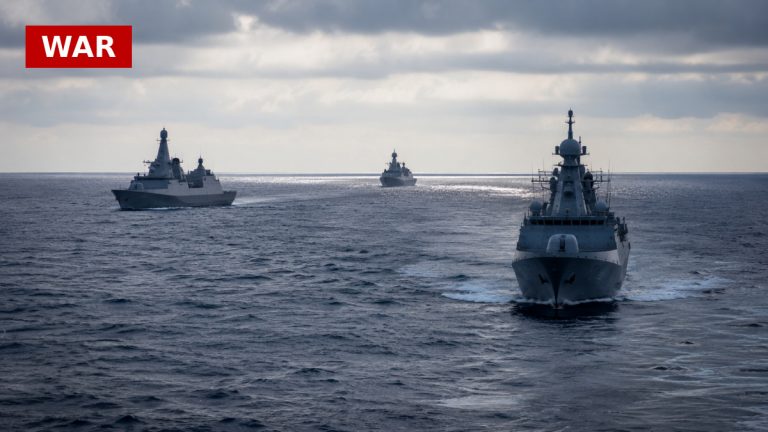
The conflict’s resurgence not only threatens to exacerbate humanitarian crises but also raises concerns about the security of vital maritime corridors. The Bab al-Mandeb Strait, crucial for global shipping, has become a focal point as the Houthis attempt to assert control over these waters. This could lead to increased military responses from Saudi Arabia, further complicating the geopolitical landscape in the region.
As the fighting intensifies, the civilian toll is mounting, with reports of hundreds of casualties and thousands displaced. The World Health Organization has highlighted the urgent need for humanitarian assistance, as the conflict disrupts access to essential services. The situation underscores the fragility of peace efforts and the potential for a wider conflict involving regional powers.
The outcome of this counteroffensive could redefine power dynamics within Yemen and influence international relations, particularly between Saudi Arabia and Iran. Observers are closely monitoring how this escalation will affect not only Yemen’s future but also the broader Middle Eastern geopolitical climate.
Source: Al Jazeera