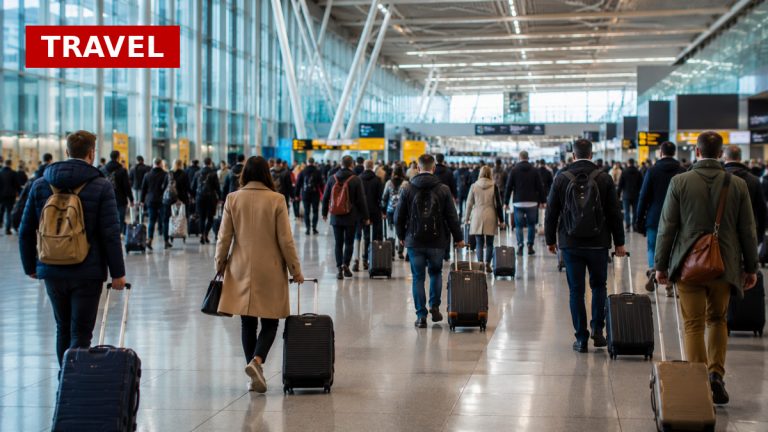
The EU’s new Entry/Exit System (EES) is reshaping how Britons travel to Europe, introducing biometric checks that could lead to longer wait times at borders. While the system aims to enhance security by replacing manual passport stamping with digital records, it has sparked concerns about delays, particularly during peak travel seasons. Despite these warnings, a recent YouGov survey reveals that a significant majority of British travellers remain undeterred, with 64% planning to travel as scheduled.
However, the EES’s implementation has not been seamless. Airports and airlines have reported technical issues and longer queues, prompting the European Commission to consider temporarily suspending biometric data collection during busy periods. This could mean that while security measures are tightened, the practical experience for travellers may vary significantly, impacting their overall journey.
Interestingly, the survey indicates that while many Britons are prepared for potential delays, only a small fraction are reconsidering their travel plans. Just 8% might travel at a different time, and only 5% are looking at destinations outside Europe. This suggests that the allure of European travel remains strong, despite the new hurdles.
As the summer progresses, the true impact of the EES on British holidaymakers will become clearer. While longer queues may be the new norm, the resilience of British travellers in the face of these changes highlights a commitment to maintaining their travel habits, even as they adapt to a more complex border experience.
Source: Euronews