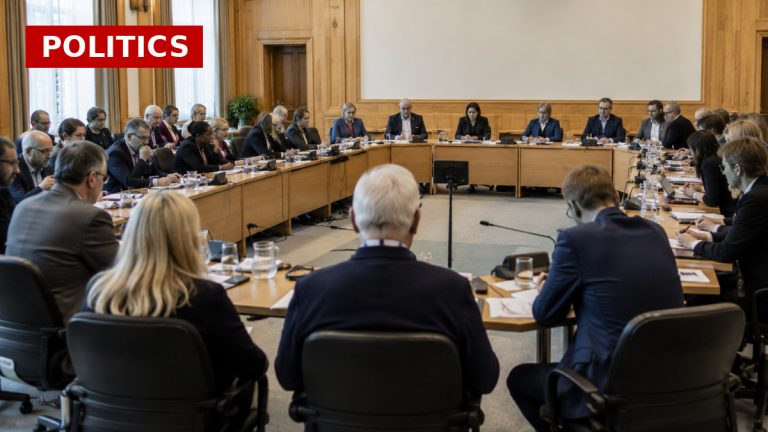
EU Commissioner Olivér Várhelyi is facing intensified scrutiny following a leaked document confirming that Hungary’s Permanent Representation operated a spy ring targeting EU officials. This network, which allegedly involved intelligence officers masquerading as diplomats, operated from 2012 to 2018, overlapping with Várhelyi’s tenure as Hungary’s ambassador to the EU. The implications of this revelation are significant, as it raises questions about the integrity and independence expected of EU officials.
Critics argue that Várhelyi’s involvement in this scandal undermines his suitability for the Commissioner role, with calls for his resignation gaining momentum. The European Parliament has previously expressed dissatisfaction with his performance, and the recent findings have only amplified these concerns. If Várhelyi is found to have breached trust, it could lead to his removal, setting a precedent that Brussels is currently hesitant to establish.
The situation is further complicated by the political landscape in Hungary, where the new Prime Minister, Péter Magyar, is advocating for the removal of officials appointed by the previous administration. However, Brussels is wary of the ramifications of dismissing a Commissioner, fearing it could embolden populist movements across member states.
As the EU navigates this delicate issue, the potential fallout from Várhelyi’s situation could influence future appointments and the overall perception of the Commission’s integrity. The ongoing scrutiny highlights the challenges of maintaining independence within the EU’s political framework, especially in light of national interests and pressures.
Source: Euronews