The recent mass crossing into Ceuta has reignited tensions within the European Union regarding migration policy. Over 60,000 migrants entered the Spanish enclave, leading to a humanitarian emergency and prompting Spain to bolster its military and police presence. While most migrants have since returned to Morocco, the incident has exposed deep divisions among EU member states on how to handle migration, with some advocating for stricter border controls.
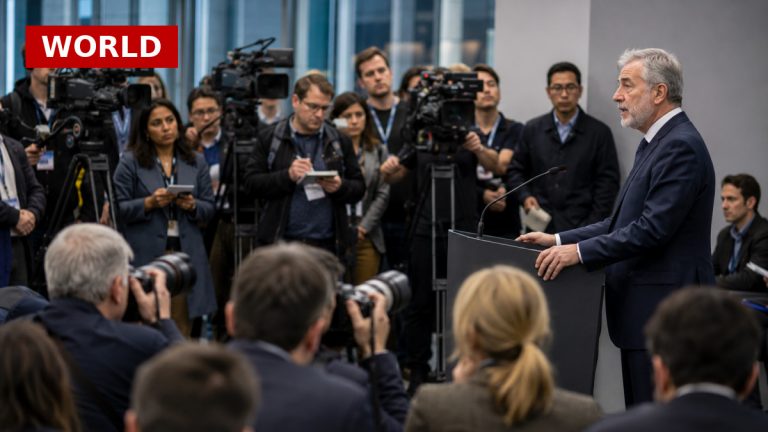
Spanish Prime Minister Pedro Sanchez faces criticism from leaders like Italy’s Giorgia Meloni, who has questioned Spain’s management of the crisis. Sanchez defended his approach, highlighting that Italy has received more migrants than Spain since 2021. This political fallout comes despite a broader decline in irregular migration to the EU, with crossings down by 37% in the first half of 2026 compared to the previous year.
The situation in Ceuta has become a focal point for discussions on EU migration policy, which has already seen the introduction of stricter rules allowing for increased detention and return of migrants. Human rights groups warn that these measures could lead to prolonged suffering for asylum seekers, as illegal pushbacks at borders remain a concern.
As the EU interior ministers convene to address the crisis, the implications for future migration policy are significant. The events in Ceuta may prompt a reevaluation of how member states collaborate on migration issues, balancing humanitarian obligations with national security concerns.
Source: Al Jazeera