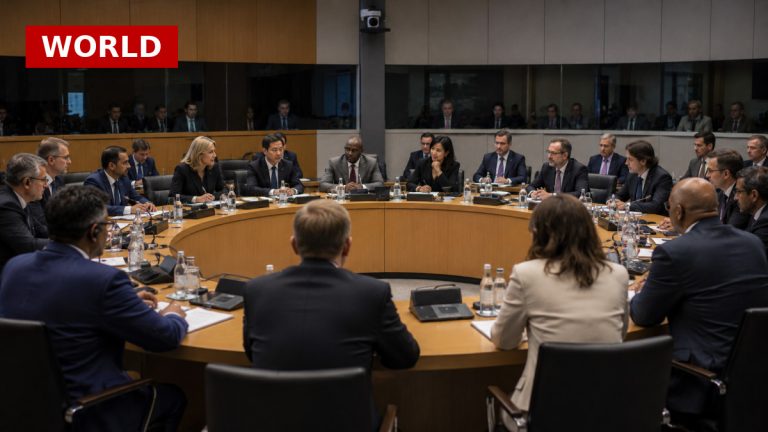
EU foreign ministers met in Ireland but failed to reach consensus on imposing trade sanctions against Israel or enhancing military support for Ukraine. This deadlock highlights a growing divide within the bloc, particularly as Ireland and Spain advocate for stronger measures against Israeli settlements amid rising violence, while Germany and Hungary resist such actions.
The inability to agree on military aid for Ukraine also underscores the EU’s internal fractures. As Kyiv calls for more air defence systems to counter intensified Russian attacks, member states remain hesitant to allocate common funds for military purchases, leaving Ukraine vulnerable as the conflict escalates.
This impasse not only affects international relations but also raises questions about the EU’s credibility in enforcing international law consistently. Critics argue that the bloc’s reluctance to act against Israel contrasts sharply with its swift responses to Russia, potentially undermining its moral authority on the global stage.
As the EU grapples with these issues, the implications for energy security and regional stability in the Middle East grow more pronounced, particularly with the ongoing US-Israel tensions and the situation in Lebanon. The lack of decisive action could have long-term consequences for both European unity and international diplomatic efforts.
Source: Al Jazeera