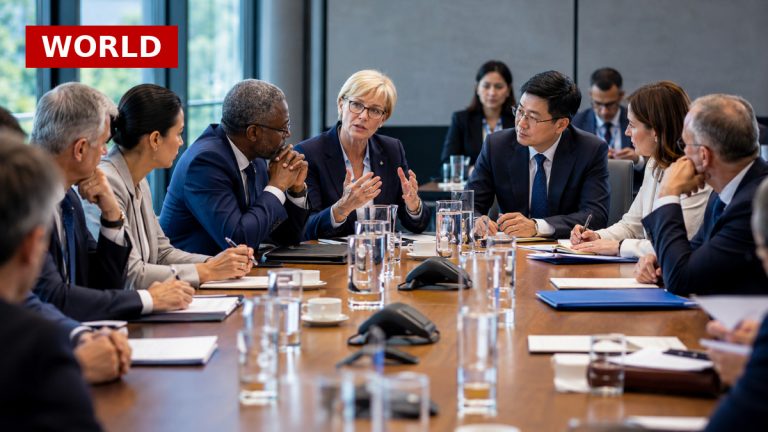
The European Union is poised to enhance its diplomatic role in the Ukraine conflict, but only if Russia commits to an unconditional ceasefire. This shift marks a significant change in the EU’s approach, as it has largely followed the US lead in negotiations thus far. The draft conclusions for the upcoming summit highlight the EU’s readiness to engage more actively, yet they also reflect deep divisions among member states regarding how to proceed with Russia.
The call for a ceasefire is crucial, as it sets the stage for any meaningful dialogue. However, the EU’s insistence on Russia demonstrating genuine willingness for peace underscores the complexities of the situation. Some member states remain skeptical, believing that Russia’s demands could undermine any potential outreach.
This development could reshape the dynamics of international diplomacy surrounding the conflict. If the EU successfully positions itself as a mediator, it may alter the balance of influence in negotiations, particularly if the US’s role diminishes. The potential appointment of a special envoy remains contentious, with some leaders advocating for a more unified European stance.
As the summit approaches, the discussions will not only focus on immediate diplomatic strategies but also on long-term implications for EU-Russia relations. The outcome could redefine how Europe engages with Russia and its commitment to Ukraine’s sovereignty, impacting regional stability and security for years to come.
Source: Euronews