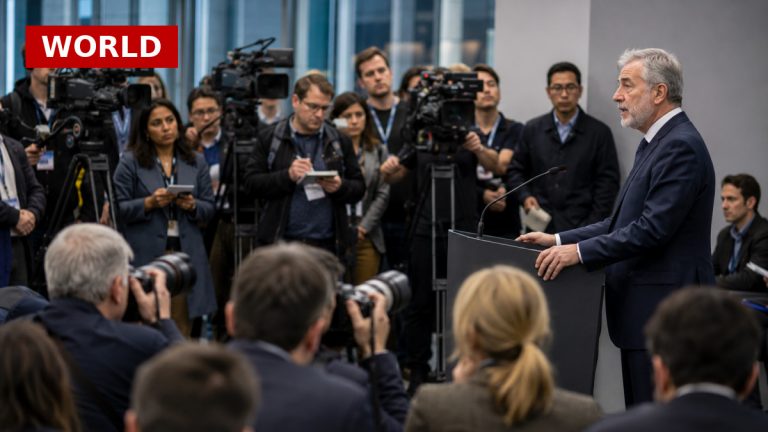
The recent meeting between EU officials and Taliban representatives in Brussels marks a significant shift in diplomatic engagement, despite widespread condemnation from human rights activists. This first-ever dialogue is primarily focused on the repatriation of Afghans, raising alarms about the EU’s potential legitimization of a regime known for its oppressive policies, particularly against women.
Critics argue that by engaging with the Taliban, the EU risks undermining its own stance on human rights. The Taliban’s history of banning girls from education and enforcing strict dress codes exemplifies the dangers faced by those being deported back to Afghanistan. Activists warn that any cooperation should prioritize the safety and rights of individuals rather than facilitating forced returns.
The EU’s justification for these talks revolves around the need to manage asylum seekers who pose security risks. However, this pragmatic approach could have dire consequences for vulnerable Afghans, particularly women, who are already facing severe repression under Taliban rule. The meeting has sparked a debate about the balance between national security and human rights obligations.
As the situation evolves, the implications of this engagement could resonate beyond immediate diplomatic relations, potentially influencing how other nations approach their dealings with the Taliban. The EU’s actions may set a precedent for future interactions, raising critical questions about the international community’s commitment to human rights in the face of geopolitical challenges.
Source: Radio Free Europe/Radio Liberty