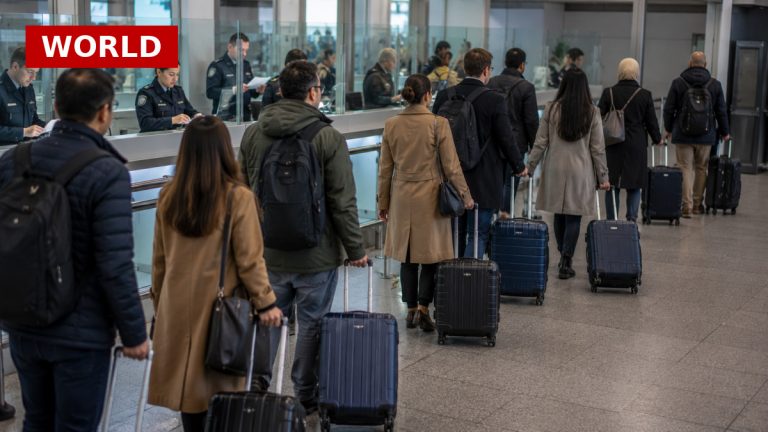
The EU’s new migration rules, which have just come into effect, are set to reshape the landscape of asylum in Europe. This overhaul aims to streamline asylum procedures and alleviate pressure on frontline countries, but it raises significant concerns about the rights of migrants. Critics argue that the reforms may undermine protections for vulnerable individuals seeking refuge, as the establishment of ‘return hubs’ outside EU borders could lead to expedited deportations without adequate legal safeguards.
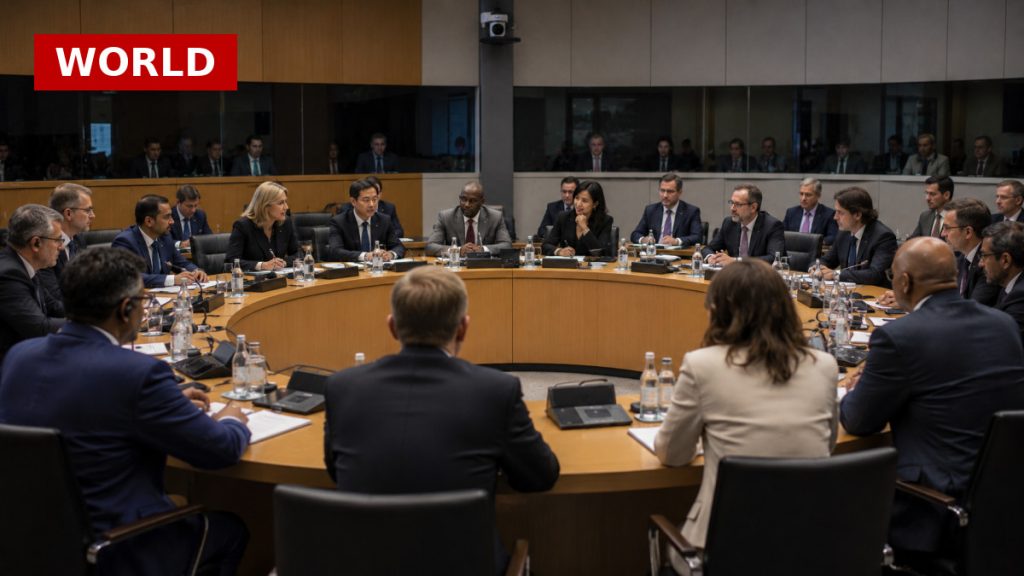
One of the most pressing implications of these changes is the potential for increased tensions among EU member states. While the pact is designed to promote solidarity, the reality is that only a fraction of the expected relocations will occur, leaving many countries to shoulder the burden alone. This could exacerbate divisions within the EU, particularly as public sentiment towards migration continues to shift.
Moreover, the timing of these reforms coincides with broader geopolitical challenges, including the economic fallout from conflicts such as the war in Iran. As the EU grapples with these pressures, the migration overhaul could have lasting impacts on its political landscape and social cohesion.
As the situation unfolds, it will be crucial to monitor how these new rules affect not only the lives of migrants but also the stability of the EU itself. The balance between security and humanitarian obligations is delicate, and the consequences of this overhaul may resonate far beyond the immediate changes in policy.
Source: Euronews