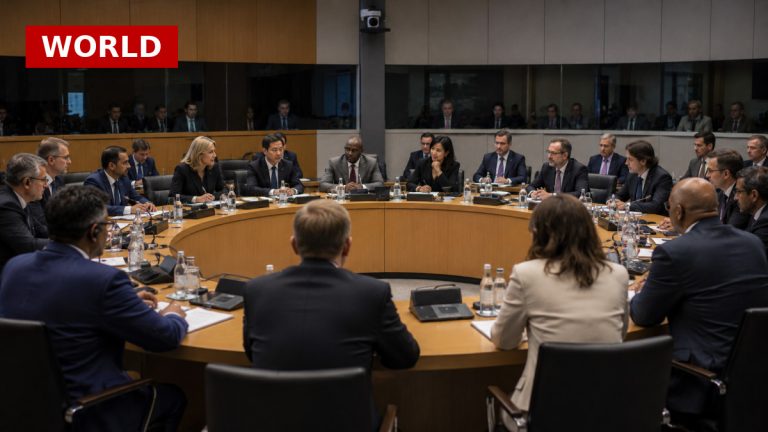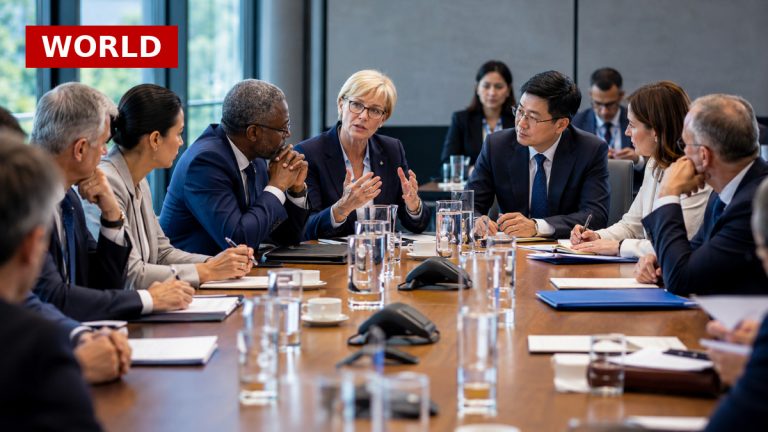
The European Union is proposing a significant entry ban for anyone who has served in the Russian Armed Forces since the invasion of Ukraine began in February 2022. This move is part of the EU’s 21st sanctions package aimed at tightening restrictions on Russia and its military activities. The implications of this ban extend beyond individual soldiers; it signals a broader strategy to isolate Russia economically and politically within Europe.
Additionally, the sanctions will target Russia’s financial sectors, including 31 banks and the notorious ‘shadow fleet’ of ships that help circumvent existing sanctions. This comprehensive approach aims to dismantle the economic foundations supporting Russia’s war efforts, potentially leading to a long-term impact on its military capabilities.
The EU’s decision to maintain a price cap on Russian oil, despite rising global prices, further illustrates its commitment to limiting Russia’s revenue streams. This cap is designed to adapt to market fluctuations, ensuring that Russia cannot benefit from increased oil prices, which could otherwise bolster its war economy.
As these sanctions unfold, they could reshape the dynamics of international relations in Europe, particularly with countries like Ukraine and its Nordic and Baltic allies. The EU’s actions may also influence public sentiment and policy discussions regarding military support for Ukraine, as the bloc seeks to present a united front against Russian aggression.
Source: DW News