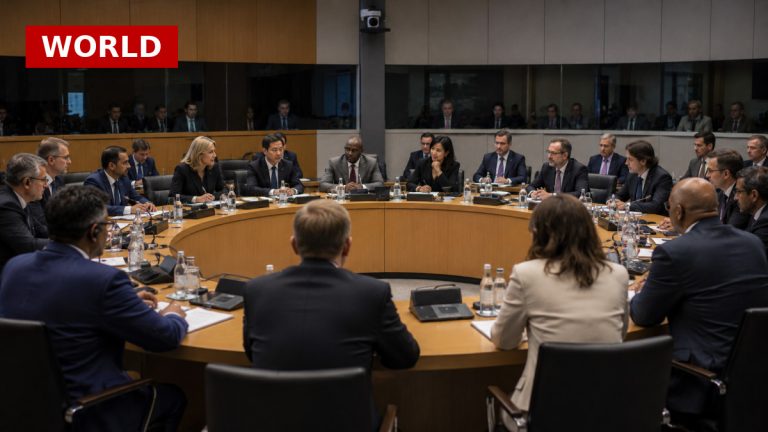
Europe is ramping up its defence spending, with plans to invest €800 billion over four years in response to geopolitical pressures, particularly the war in Ukraine and uncertainty surrounding NATO. This shift is prompting countries like the UK to also increase their military budgets, with a focus on developing homegrown weaponry, including drones, to reduce reliance on US suppliers.
The drive for defence sovereignty means that European nations, including the UK, are prioritising local production of military technology. This is not just about enhancing military capabilities but also about securing supply chains that are less vulnerable to geopolitical shifts, particularly concerning adversarial nations like China. As a result, UK manufacturers are likely to see increased demand for components and systems related to drone technology and other advanced weaponry.
For UK consumers, this surge in military spending could indirectly affect public finances. Increased defence budgets may lead to reallocations of government spending, potentially impacting funding for public services. Additionally, the focus on local production could stimulate job creation in the defence sector, but it may also mean higher taxes or reduced spending in other areas to accommodate these military investments.
Looking ahead, observers should watch for how these defence spending commitments translate into actual contracts and production capabilities. The success of UK startups in the defence sector will be crucial, as will the government’s ability to balance military needs with domestic priorities. Any delays or failures in this transition could have broader implications for the UK’s economic stability and security posture.
Sources
theguardian.com