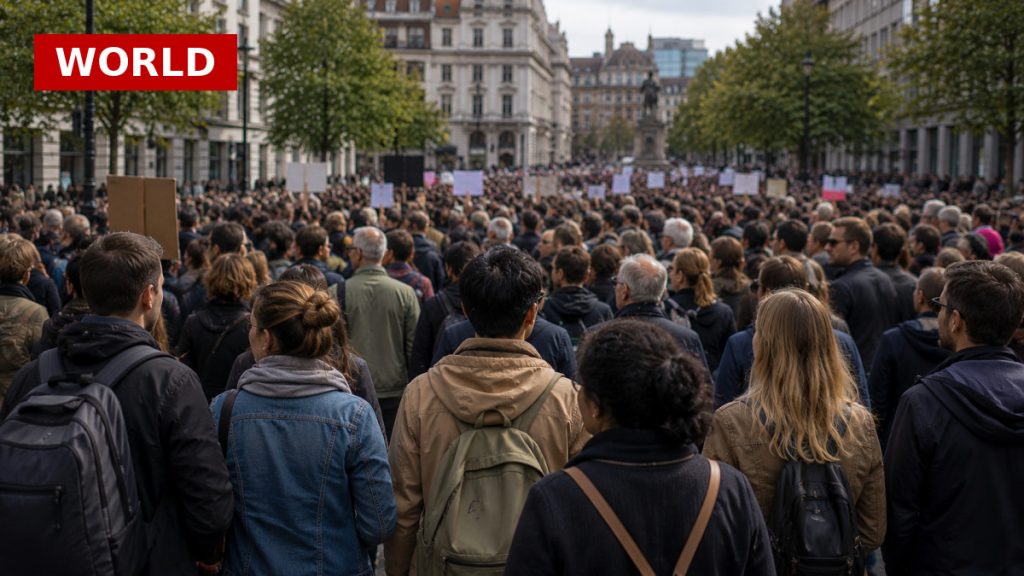
Evo Morales, Bolivia’s former president, is under investigation for serious charges including armed uprising and terrorism. This comes as Bolivia grapples with a profound economic crisis, marked by rising living costs and widespread protests against austerity measures imposed by the current government. Morales has publicly defied the arrest warrant, claiming the government is attempting to distract from the nation’s struggles.
The unrest has escalated since June, when Morales supported protests by farmers and truckers, leading to significant disruptions in transport and supply chains. These protests have resulted in food and fuel shortages, prompting the government to declare a state of emergency. The situation highlights the fragility of Bolivia’s political landscape, where Morales’s influence remains strong despite his ousting in 2019.
The latest charges against Morales are seen as a continuation of the political strife that has plagued Bolivia since his departure from office. His supporters have threatened to escalate protests if he is arrested, indicating a potential for increased violence and instability. This ongoing conflict raises concerns about the future of governance in Bolivia and the potential for further economic decline.
As the situation develops, the implications for Bolivia’s social fabric and political stability are significant. The government’s response to the protests and Morales’s defiance could either exacerbate tensions or lead to a resolution, impacting everyday life for Bolivians across the country.
Source: Al Jazeera