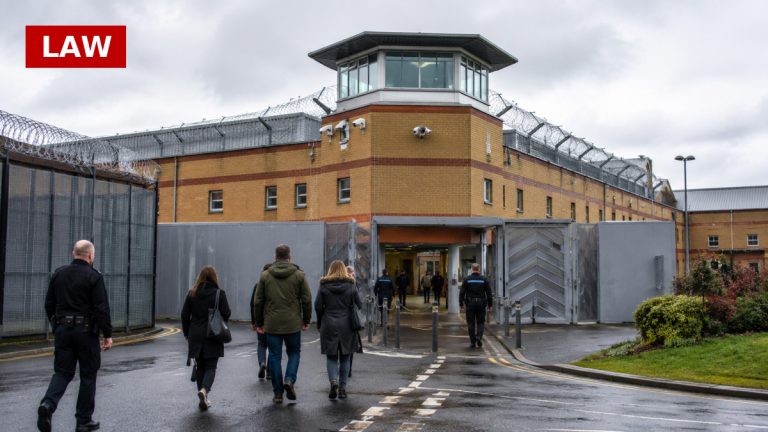
The case of Simon Levy, a convicted sex offender, has exposed significant failings within the Metropolitan Police and the Crown Prosecution Service. Despite being on bail for previous sexual assaults, Levy was able to commit further heinous crimes, including the murders of two women. The police’s decision to downgrade his risk level to women has raised serious questions about their assessment processes and accountability.
Levy’s release on bail, despite multiple breaches of conditions, highlights systemic issues in how sex offenders are monitored. The delays in investigations by both the Metropolitan Police and British Transport Police meant that crucial opportunities to prevent further attacks were missed. This has led to a public outcry and demands for reform in how such cases are handled.
The implications of this case extend beyond Levy’s individual actions; they point to a broader societal issue regarding the treatment of sexual offenders and the protection of potential victims. The police’s admission that lives could have been saved if proper protocols had been followed underscores the urgent need for change in law enforcement practices.
As scrutiny of the Metropolitan Police intensifies, this incident may catalyse significant reforms in how sexual offences are prosecuted and how offenders are monitored, potentially reshaping public trust in law enforcement agencies in the UK.
Source: BBC News