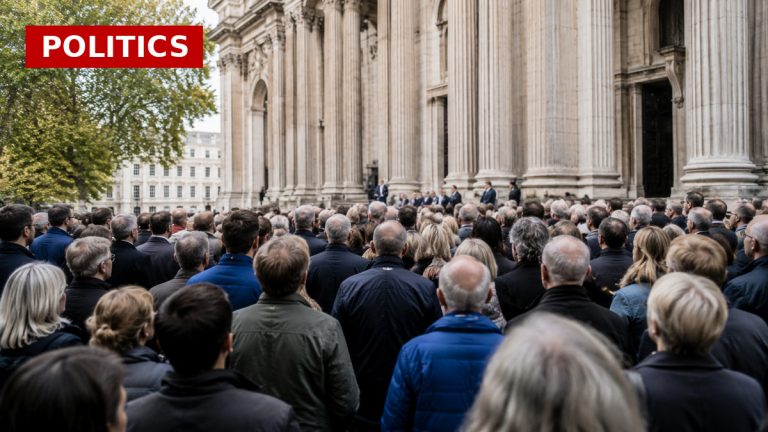
The recent protests in Portsmouth, where far-right activists attempted to block the processing of asylum seekers, highlight a troubling trend in public disorder. Hundreds of masked individuals, some linked to known far-right figures, disrupted local traffic and drew police intervention. This incident follows similar unrest in Dover, indicating a coordinated effort to challenge the arrival of asylum seekers in the UK.
The implications of these protests extend beyond immediate disruptions. They signal a potential rise in vigilantism, as activists take it upon themselves to confront perceived threats to their communities. This behaviour raises questions about public safety and the effectiveness of law enforcement in managing such gatherings, especially in light of reported injuries to officers and damage to vehicles.
Moreover, the rhetoric surrounding these protests, particularly from figures like Daniel Thomas, suggests a growing narrative that could fuel further unrest. With the government under pressure to respond, the political landscape may shift, as parties grapple with how to address both public concerns about immigration and the rise of extremist groups.
As the situation evolves, local authorities must consider the long-term impacts on community relations and public policy. The fear of Portsmouth becoming a hotspot for asylum seekers could lead to increased tensions, necessitating a careful balance between maintaining order and respecting the rights of individuals seeking refuge in the UK.
Source: The Guardian