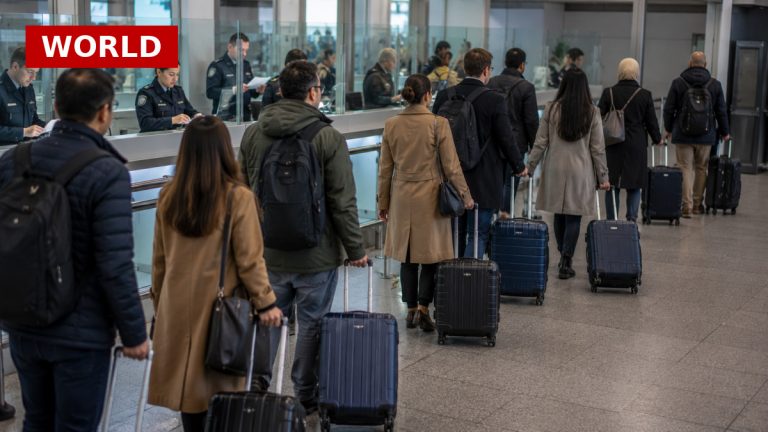
The recent shooting of a 26-year-old Colombian man by an ICE agent in Maine has ignited significant public outrage and protests. This incident is part of a troubling trend, with over 60 deaths linked to ICE operations since Donald Trump resumed office. The man, who had work authorization in the U.S., was not the intended target of the operation, raising questions about the agency’s tactics and accountability.
Critics argue that the aggressive enforcement methods employed by ICE, including unmarked vehicles and masked agents, create a climate of fear within immigrant communities. The lack of body cameras during the incident further complicates the narrative, as details surrounding the shooting remain murky. Maine’s attorney general is investigating, but the absence of clear evidence regarding the threat posed by the driver adds to the controversy.
This shooting is not an isolated event; it follows another fatal incident involving ICE just days earlier. As arrests surge and the death toll rises, public demonstrations are becoming more frequent, with calls for the abolition of ICE gaining momentum. The implications of these events extend beyond individual tragedies, highlighting systemic issues within immigration enforcement.
As the Biden administration faces mounting pressure to reform immigration policies, the growing scrutiny of ICE’s actions could lead to significant changes in how immigration laws are enforced. The ongoing protests signal a shift in public sentiment, potentially influencing future policy decisions and the broader conversation about immigration in the U.S.
Source: Al Jazeera