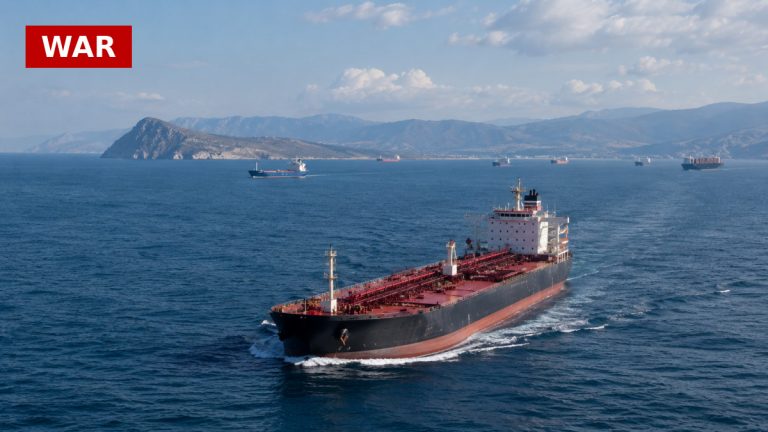
The ongoing conflict in Iran is causing a critical shortage of fertiliser, which is essential for global food production. The CEO of Yara, a major fertiliser producer, has warned that this disruption could lead to a loss of up to 10 billion meals per week worldwide, particularly affecting poorer nations. The situation arises from blocked shipping routes through the Strait of Hormuz, which is vital for fertiliser transport.
As fertiliser supplies dwindle, crop yields are expected to decline sharply, with some crops potentially seeing a 50% reduction in output. This is particularly concerning as the UK enters its peak planting season, meaning that the effects of these shortages will not be felt immediately. Instead, the impact on food prices in the UK will likely manifest later in the year when harvests are smaller than anticipated.
For UK consumers, this means that food prices are set to rise, with forecasts suggesting food inflation could reach 10% by December. The increased costs for farmers, driven by higher fertiliser and energy prices, will inevitably be passed on to consumers, affecting weekly grocery bills.
Looking ahead, it is crucial to monitor the conflict’s duration and its impact on fertiliser production. If the situation persists, the UK could face significant food price increases as the global demand for limited food supplies escalates, leading to potential bidding wars between nations for essential food re
Sources
BBC News