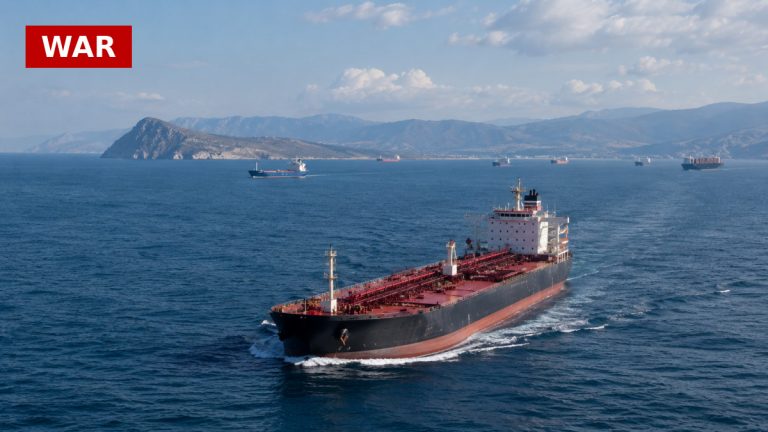
President Trump has announced that the Strait of Hormuz will be fully open from Friday, following a newly signed peace deal with Iran. However, significant uncertainties linger, particularly regarding Iran’s right to impose fees on shipping and ongoing Israeli military actions in Lebanon. These unresolved issues could jeopardise the agreement’s stability and impact global oil prices.
The deal, which aims to prevent Iran from developing nuclear weapons, is set to be formalised at a Geneva ceremony. Yet, the G7 leaders are already grappling with the implications of the agreement, as they seek to ensure compliance from Iran while managing Israel’s concerns about security and territorial integrity.
Economic ramifications are also at play, with Trump suggesting that the deal could lead to a drop in oil prices and a boost in stock markets. However, the actual benefits will depend on the successful implementation of the agreement and the resolution of disputes over military actions and financial sanctions.
As negotiations continue, the situation remains precarious. The potential for renewed conflict in the region could disrupt not only Middle Eastern stability but also global economic conditions, making it crucial for all parties involved to adhere to the terms of the agreement.
Source: The Guardian