As a severe heat wave grips France, authorities are implementing strict measures to safeguard public health. The government has banned drinking alcohol in public spaces under ‘red alert’ zones to ensure that emergency services can focus on vulnerable populations, especially the elderly. This decision could reshape social interactions, particularly during festive events like the nationwide Music Day, which sees thousands of concerts across the country.
The heat wave’s impact extends beyond just public drinking; it has led to the cancellation of numerous cultural and sports events. With temperatures soaring to 40°C, outdoor activities are being suspended, affecting local economies that rely on tourism and community gatherings during the summer months. The ripple effect of these cancellations could lead to long-term changes in how events are organized in extreme weather conditions.
Additionally, the heat wave poses serious risks, with drowning incidents reported as people seek relief in water bodies. Authorities are mobilizing emergency services and military support to address potential crises, highlighting the increasing vulnerability of communities during such extreme weather events. This could prompt future discussions on infrastructure improvements and emergency preparedness in the face of climate change.
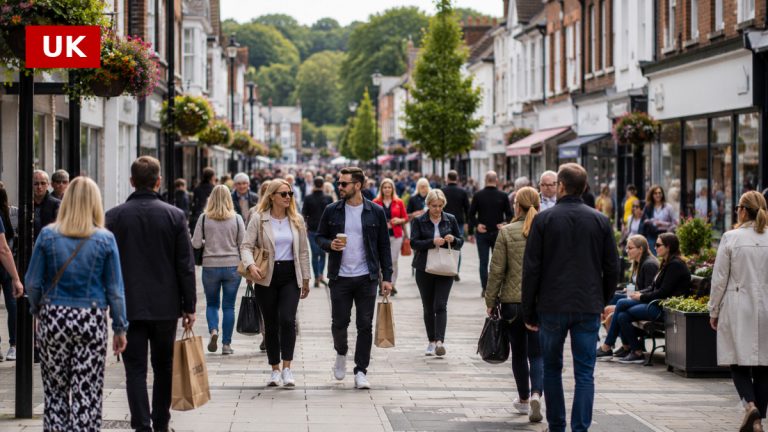
Looking ahead, the UK is also bracing for similar extreme heat warnings. With temperatures expected to reach up to 38°C, the implications for public health and safety will be significant. As climate change continues to drive more frequent and severe heat waves, adapting to these conditions will become a critical focus for governments across Europe.
Source: PBS News