Frida Kahlo’s enduring appeal lies in her ability to transform personal suffering into powerful visual narratives. Her iconic self-portraits, often depicting her physical and emotional pain, challenge traditional beauty standards and resonate deeply with contemporary audiences, particularly within the LGBTQ+ community. As a bisexual artist who defied gender norms, Kahlo’s work continues to inspire discussions around identity and feminism.
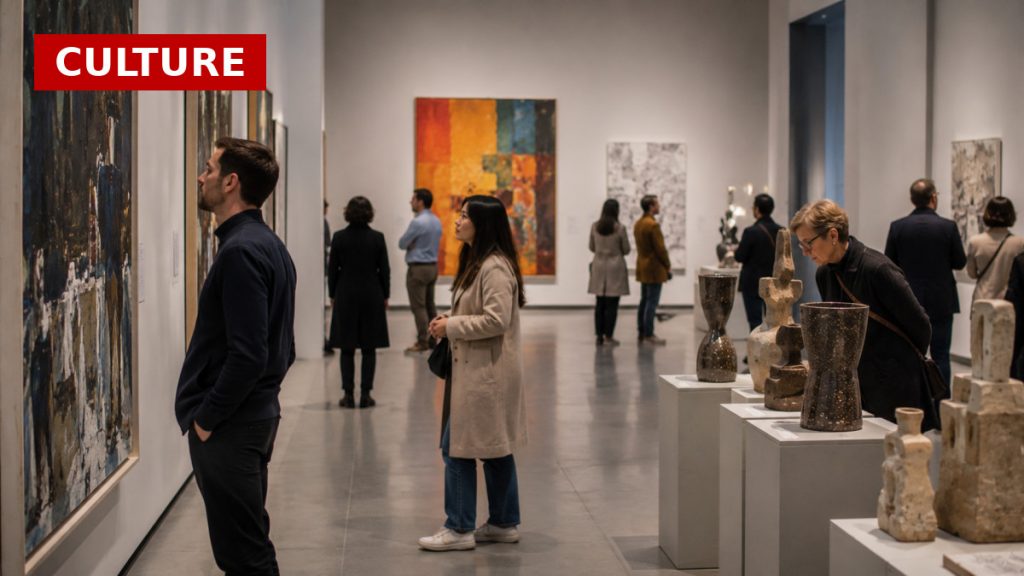
The upcoming exhibition at Tate Modern, ‘Frida: The Making of an Icon,’ showcases over 30 of her most significant works, highlighting her multifaceted identity as an artist, wife, and political activist. This exhibition not only celebrates her artistic genius but also invites viewers to explore the complexities of her life and the socio-political context in which she created her art.
Kahlo’s legacy is further amplified by the phenomenon known as ‘Fridamania,’ which has seen her image and artwork permeate popular culture, from social media to merchandise. However, this commercialization raises questions about the potential overshadowing of her political convictions and the depth of her artistic expression.
As Kahlo’s works continue to fetch record prices at auctions, her influence remains strong, suggesting that her art will continue to spark interest and debate for generations to come. The Tate exhibition runs until January 2027, ensuring her story and impact remain in the public eye.
Source: DW News