The establishment of two new working groups focused on Gaza’s reconstruction has significant implications for the region’s future. The first group is dedicated to disarmament, requiring the complete demilitarisation of Gaza before any reconstruction efforts can begin. This approach, led by the US, raises concerns about the potential for increased tensions among Palestinian factions, particularly Hamas, as weapons will be surrendered directly to an American-led force rather than a Palestinian authority.
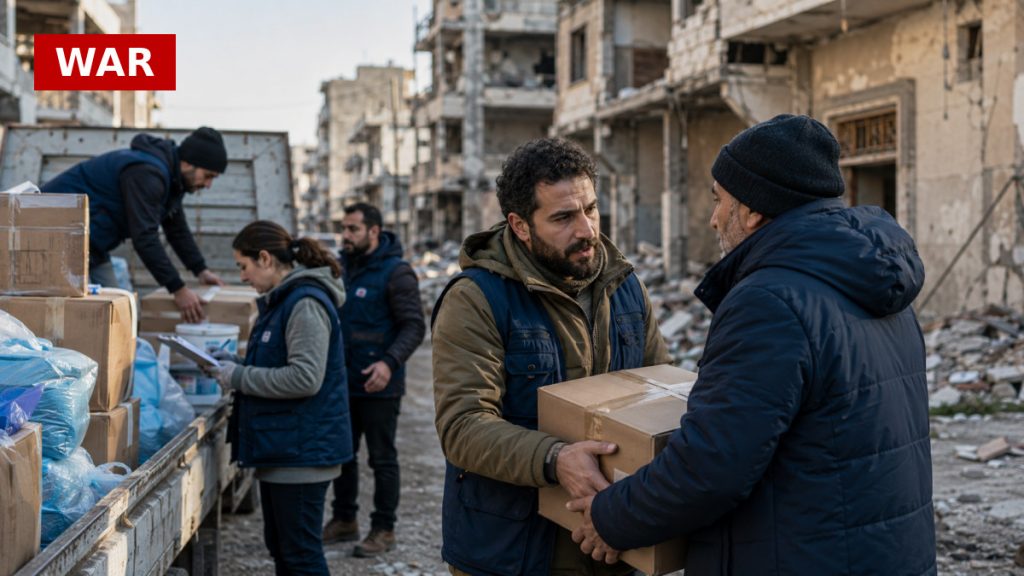
The second group addresses humanitarian needs, including sanitation and health issues, which are critical given the dire conditions in Gaza. However, the linkage of humanitarian aid to disarmament could be seen as leveraging the suffering of the Palestinian population to achieve political goals. This strategy risks fragmenting the broader political context into isolated issues, potentially undermining a comprehensive resolution to the conflict.
Critics argue that this approach may exacerbate existing tensions and lead to further instability. The insistence on disarmament as a precondition for aid could alienate key stakeholders and hinder the peace process. Moreover, the opaque nature of the working groups raises questions about their effectiveness and the timeline for their initiatives.
As the situation evolves, the implications of these working groups will be closely monitored. The potential for humanitarian crises looms large, and the international community’s response will be crucial in shaping the future of Gaza and its inhabitants.
Source: Al Jazeera