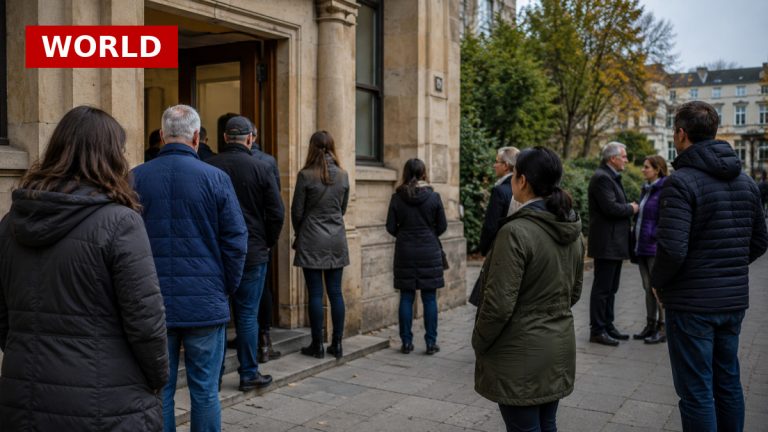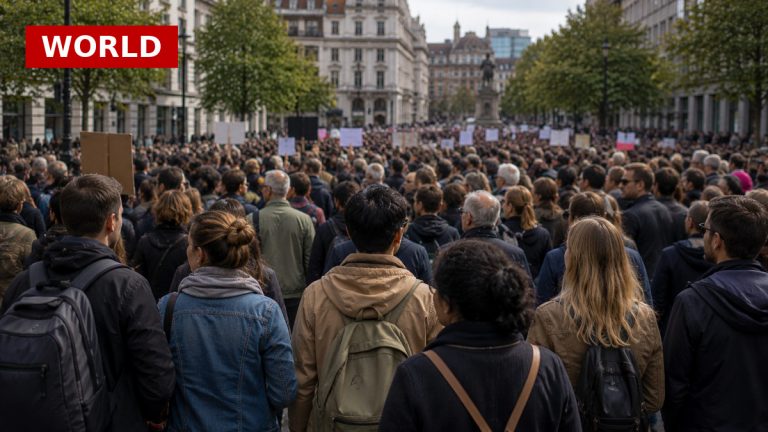
In Bnei Brak, an Israeli city with a significant ultra-Orthodox population, plans to create gender-segregated streets have ignited a fierce debate. The municipality had begun widening sidewalks and erecting barriers to separate men and women, aiming to accommodate religious customs during events like weddings. However, backlash from more liberal Israelis halted these efforts, raising concerns about the potential for broader societal implications.
This situation reflects a growing tension in Israel as demographics shift towards more conservative Jewish groups, which could influence future policies. Critics argue that using taxpayer money for segregation in public spaces undermines the principle of gender equality, which is constitutionally guaranteed. Previous attempts at enforcing segregation have been struck down by the Israeli Supreme Court, highlighting the ongoing struggle between religious practices and civil rights.
Additionally, the Knesset recently approved a law allowing universities to offer segregated master’s and doctoral programs, further complicating the landscape of gender equality in education. While proponents argue this will help integrate Orthodox students, opponents fear it could lower academic standards and limit opportunities for women in specialized fields.
As Israel approaches elections, these debates over gender roles and societal structure are likely to shape political discourse, reflecting deeper divisions within the country. The outcome could set precedents that affect not only local communities but also the broader Israeli society, as the balance between tradition and modernity continues to be tested.
Source: DW News