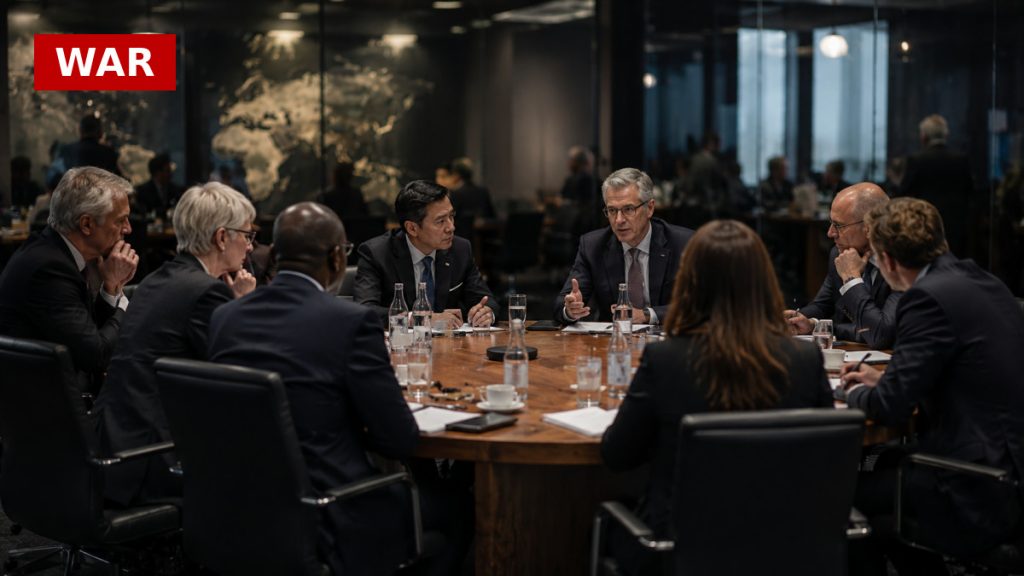
The upcoming Geneva talks on September 16 and 17 are pivotal for the peace process between Rwanda and the Democratic Republic of the Congo (DRC). As fighting continues in eastern DRC, the discussions will focus on the implementation of the Washington Accords, which aim to address long-standing security issues. Key commitments include the DRC’s obligation to neutralise the Democratic Forces for the Liberation of Rwanda (FDLR) and Rwanda’s disengagement of its forces along the border.
The significance of these talks extends beyond immediate security concerns. The ongoing conflict has implications for regional stability, affecting not just Rwanda and the DRC but also neighbouring countries like Uganda and Burundi. The failure to resolve these issues could lead to further escalation of violence, drawing in more armed groups and complicating diplomatic efforts.
Moreover, the Geneva meeting will assess the progress made since the last Joint Security Coordination Mechanism (JSCM) meeting, where both countries agreed to enhance monitoring and verification of the peace commitments. The outcome of these discussions could determine the future of the peace process and the potential for economic integration in the region, which is crucial for long-term stability.
As the situation develops, the focus will remain on the FDLR issue, which has been a major point of contention. Rwanda’s insistence on the neutralisation of the FDLR, rather than negotiation, highlights the complexities of the peace process. The Geneva talks represent a critical juncture in addressing these challenges and moving towards a sustainable resolution of the conflict.
Source: Al Jazeera