Germany has recently approved nearly 800 million euros in arms export licences to Israel, a significant increase compared to previous months. This surge, primarily occurring in April and May 2026, raises questions about the implications of such military support amidst ongoing conflict in Gaza.
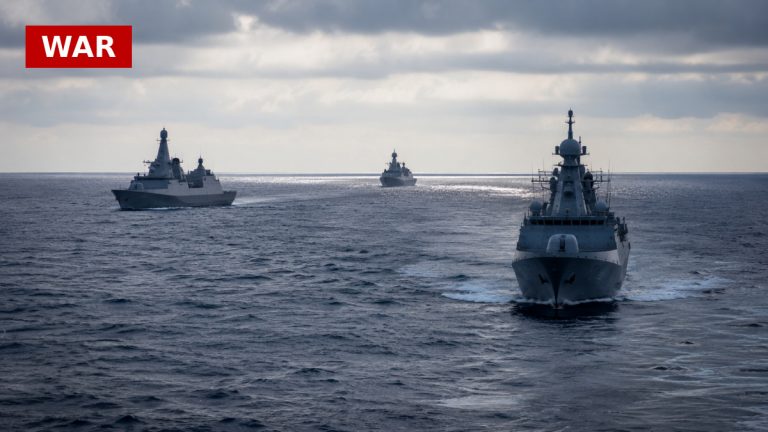
The majority of these licences are linked to a major maritime project, likely involving a new submarine capable of launching nuclear missiles. This development could enhance Israel’s military capabilities, providing a second-strike option in the event of a nuclear attack, which is a worrying prospect given the current geopolitical tensions.
Despite Germany’s historical stance on arms exports, public opinion has shifted against supplying military equipment to Israel, particularly in light of reports of war crimes. Yet, the German government continues to prioritise economic interests, leading to a complex and often contradictory arms export policy.
As Germany navigates its role as a key arms supplier, the ramifications of these exports extend beyond military strategy, potentially influencing regional stability and international relations. The lack of transparency surrounding these deals further complicates the public’s understanding of their significance.
Source: Al Jazeera