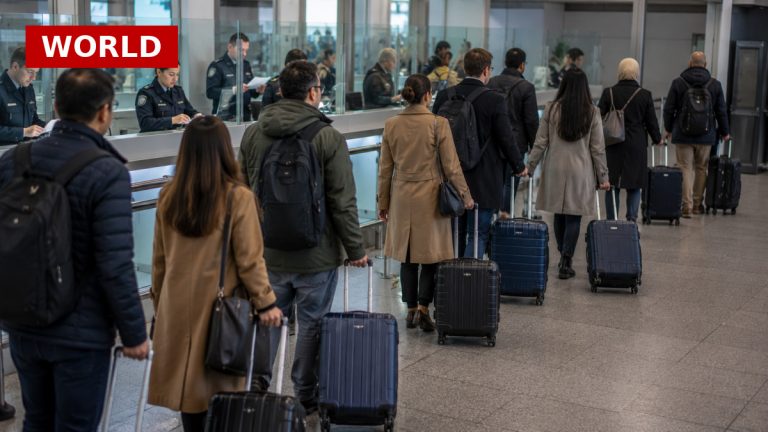
Germany’s recent decision to allow Taliban diplomats into the country marks a significant shift in its foreign policy, particularly concerning Afghanistan. This move is primarily aimed at facilitating the deportation of Afghan criminals, a policy that has sparked considerable debate about the implications of engaging with a regime that Germany has historically opposed. The Taliban’s presence in diplomatic roles raises questions about the legitimacy and recognition of their government, despite Germany not officially acknowledging them as the ruling authority.
The ramifications of this policy extend beyond diplomatic formalities. Critics argue that by engaging with the Taliban, Germany risks legitimizing a regime known for severe human rights violations, particularly against women and girls. This normalization could embolden the Taliban, allowing them to leverage their position for further concessions from Western nations, potentially compromising the safety of Afghan refugees in Germany who oppose the Taliban.
Moreover, the policy could create a chilling effect on asylum seekers. Individuals like Hamid Nangialay Kabiri, who refuse to cooperate with the Taliban, may find themselves in precarious situations, facing the threat of deportation while their safety is jeopardized. The fear is that the Taliban could exploit their diplomatic foothold to track down dissidents and their families still in Afghanistan, raising serious ethical concerns about the treatment of refugees.
As Germany navigates this complex relationship, the balance between national interests and human rights remains delicate. The long-term consequences of this policy could redefine Germany’s role in international diplomacy and its commitment to upholding human rights standards, particularly in regions where such values are under threat.
Source: DW News