

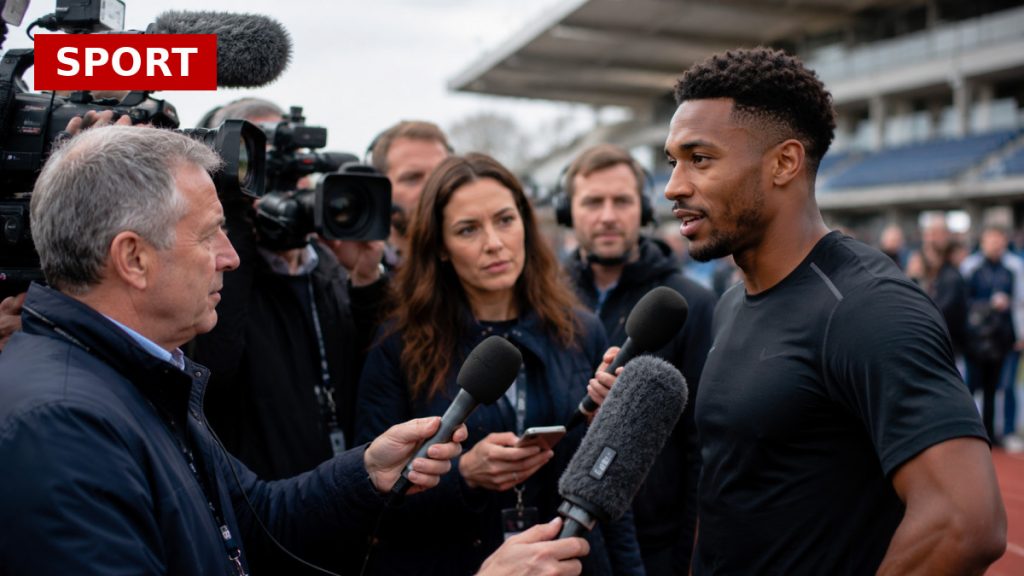
Germany’s 2026 World Cup squad is notable not just for its talent but for its diversity, with eight players of African heritage. This shift in representation highlights a broader societal change in Germany, where footballers like Jonathan Tah and Antonio Rüdiger are symbols of integration and multiculturalism. Their presence on the team challenges the narrative of a homogeneous national identity, especially as far-right sentiments rise in the country.
The significance of this diversity extends beyond the pitch. It serves as a counter-narrative to the growing anti-immigrant sentiment, showcasing successful integration and the contributions of immigrants to German society. As Musa Okwonga points out, these players embody a new generation that thrives in Germany, reflecting the complexities of identity in a nation with colonial ties to Africa.
Moreover, the German Football Association acknowledges the importance of this diversity, recognizing that mixed backgrounds can enhance team performance. This is not merely a sporting strategy but a statement about the values of unity and collaboration in a multicultural society. The visibility of these players can inspire younger generations and foster a sense of belonging among diverse communities.
As the World Cup approaches, the implications of this diverse squad could resonate beyond football. A successful campaign might not only uplift national spirits but also challenge societal norms, promoting a more inclusive narrative in Germany. The potential for this team to serve as a model for unity amidst diversity is a powerful message in today’s socio-political climate.
Source: DW News

