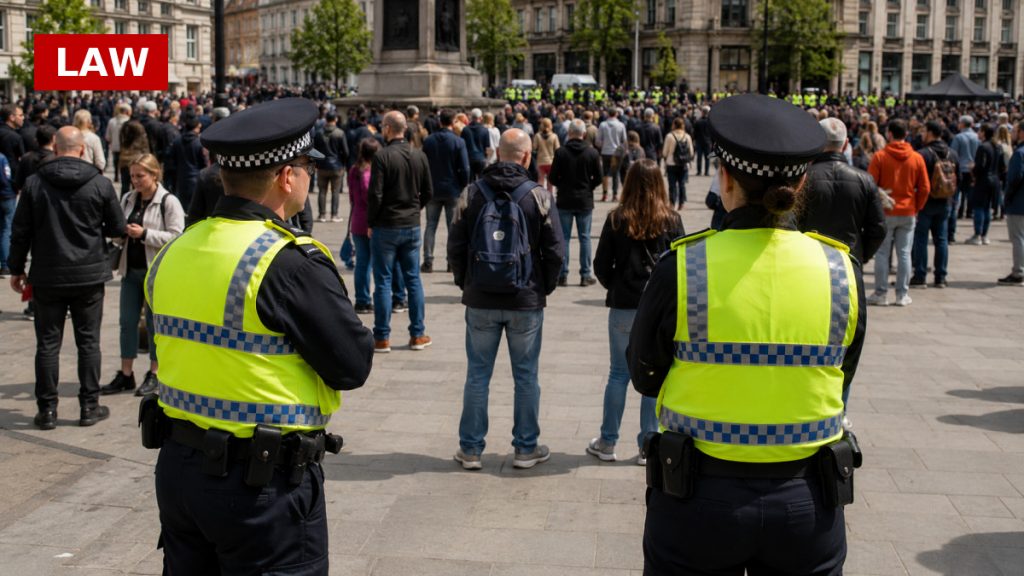
Germany’s recent expansion of federal police powers marks a significant shift in how law enforcement can operate, particularly through the use of advanced technologies like AI and drones. This new legislation allows for AI-supported facial recognition and behaviour recognition in public spaces, raising concerns about mass surveillance and the erosion of privacy rights. Critics argue that such measures could lead to wrongful profiling, as AI may misinterpret normal behaviours as suspicious, impacting innocent citizens.
The law also facilitates the use of drones for surveillance at busy transport hubs and near borders, enabling police to respond to potential threats more effectively. However, this capability comes with risks, as it increases the potential for invasive monitoring of the public. The implications of this law extend beyond immediate security concerns, as it sets a precedent for the use of technology in policing that could be replicated in other countries, potentially influencing global surveillance practices.
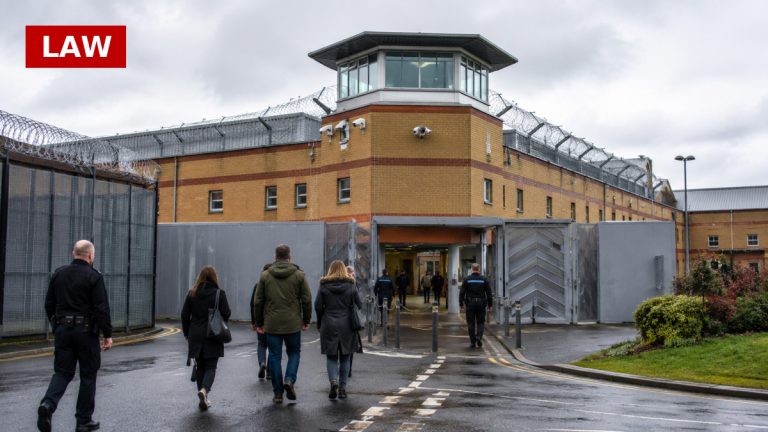
Moreover, the legislation allows for increased powers to detain immigrants awaiting deportation, which critics fear could lead to racial profiling and discrimination. As these powers are implemented, the lack of transparency and accountability mechanisms raises alarms about civil liberties in Germany. The potential for legal challenges exists, but these processes can take years, allowing the law to be enacted in the meantime.
In summary, while the German government argues that these measures are necessary for modern policing, the balance between security and individual rights is precariously tilted. The long-term consequences of this law could redefine public safety and privacy in ways that many citizens may not yet fully comprehend.
Source: DW News