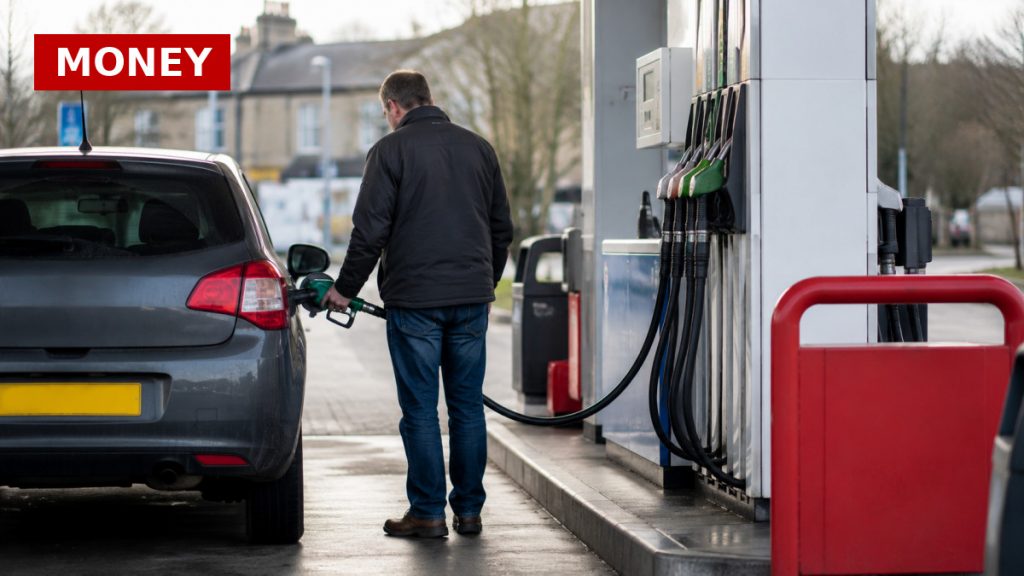
The ongoing conflict in Iran is causing a global fuel shock that is affecting economies worldwide, including the UK. As energy prices rise due to this geopolitical tension, the Bank of England is likely to face pressure to increase interest rates to combat inflation, which is already outpacing wage growth.
This situation means that while the UK may not be in a recession, households will still feel the pinch as their purchasing power diminishes. Higher energy costs can lead to increased prices for goods and services, further straining budgets. The expectation is that wages will not keep pace with inflation, resulting in a gradual decline in living standards.
For UK residents, this translates to tighter budgets as everyday expenses rise. Families may find themselves allocating more of their income to cover basic needs, such as fuel and food, leaving less for discretionary spending. The indirect effects of the conflict could lead to a prolonged period of economic malaise, impacting consumer confidence and spending.
Looking ahead, it will be crucial to monitor how the situation in Iran evolves and its subsequent impact on energy prices. Additionally, any moves by the Bank of England regarding interest rates will be significant, as they will influence borrowing costs and overall economic stability in the UK.
Sources
theguardian.com