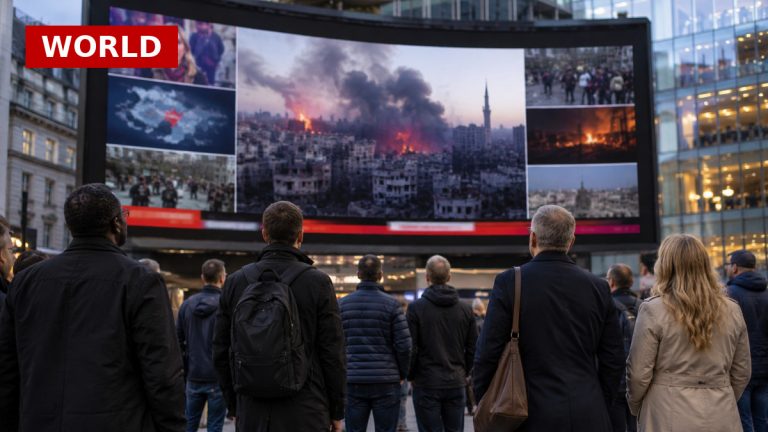
As we enter 2026, the world is facing unprecedented instability, with some analysts claiming we are in the early stages of a third world war. This grim backdrop is marked by unending conflicts, humanitarian crises, and the rise of authoritarian regimes. The situation has far-reaching implications for ordinary people, who may feel increasingly powerless amidst the chaos.
The economic fallout from these global tensions is already being felt. For example, the UK government is grappling with rising borrowing costs due to a recent upheaval in global bond markets, which could strain public services and support for vulnerable communities. This is compounded by the financial pressures of ongoing military commitments and the need to respond to threats from adversaries like Russia.
Moreover, the humanitarian crises stemming from these conflicts are likely to worsen, with millions facing food insecurity and displacement. The UK, as a significant player on the world stage, must navigate these challenges while addressing domestic needs, which may lead to difficult policy choices and even more pressure on public finances.
Finally, the proliferation of nuclear weapons and the ongoing climate crisis add layers of complexity to an already dire situation. With international alliances weakening and economic disparities growing, ordinary citizens must remain vigilant and engaged, as their voices have the power to influence the course of history amidst these tumultuous times.
Source: The Guardian