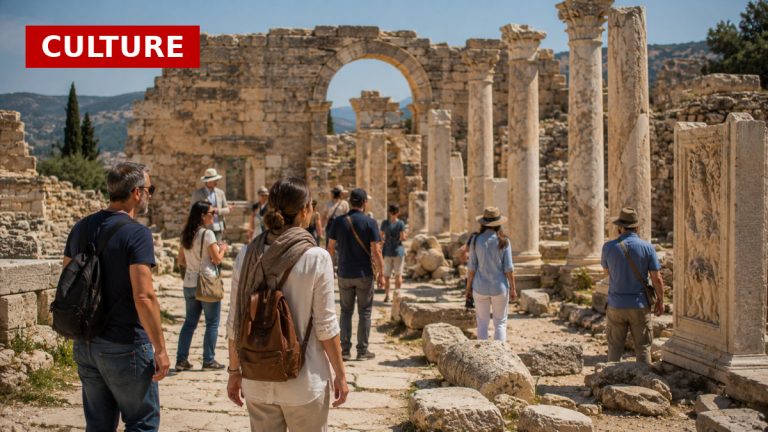
Students from Gordonstoun School have made a remarkable archaeological discovery on Swona, an uninhabited island in Orkney. They uncovered the remains of what is believed to be a 1,000-year-old Viking church, a significant find that sheds light on the region’s medieval history. This discovery not only enriches our understanding of Viking architecture but also highlights the importance of student involvement in real-world archaeology.
The church’s remains, including a potential altar foundation, were found beneath a more recent structure, indicating layers of history on the island. The students, guided by professional archaeologists, engaged in hands-on excavation, which not only provided them with practical skills but also fostered a deeper appreciation for historical preservation. Their experience underscores the value of educational trips that connect students with their cultural heritage.
As the team awaits radiocarbon dating results, the implications of this discovery could extend beyond academic interest. It may attract tourism to Swona, potentially revitalising the local economy and encouraging further archaeological exploration in the area. Such developments could lead to increased funding for heritage projects and educational initiatives.
The students’ reflections on their time on Swona reveal a profound connection to the past, as they engaged in daily life without modern conveniences. This experience not only enriched their understanding of history but also instilled a sense of community and teamwork, demonstrating how immersive learning can shape young minds and foster a commitment to preserving history for future generations.
Source: LBC News