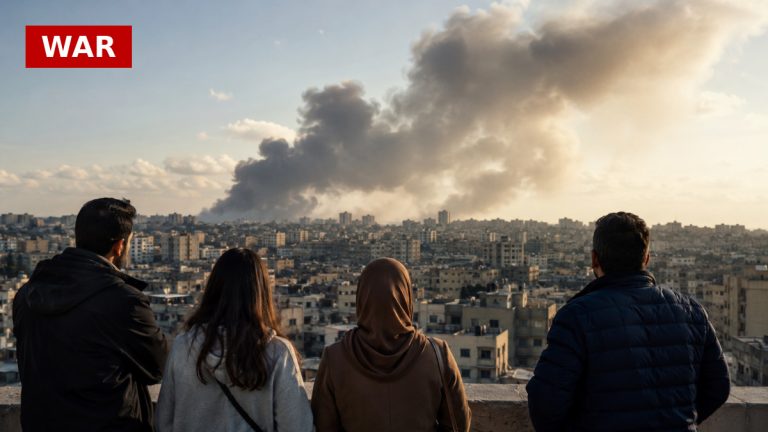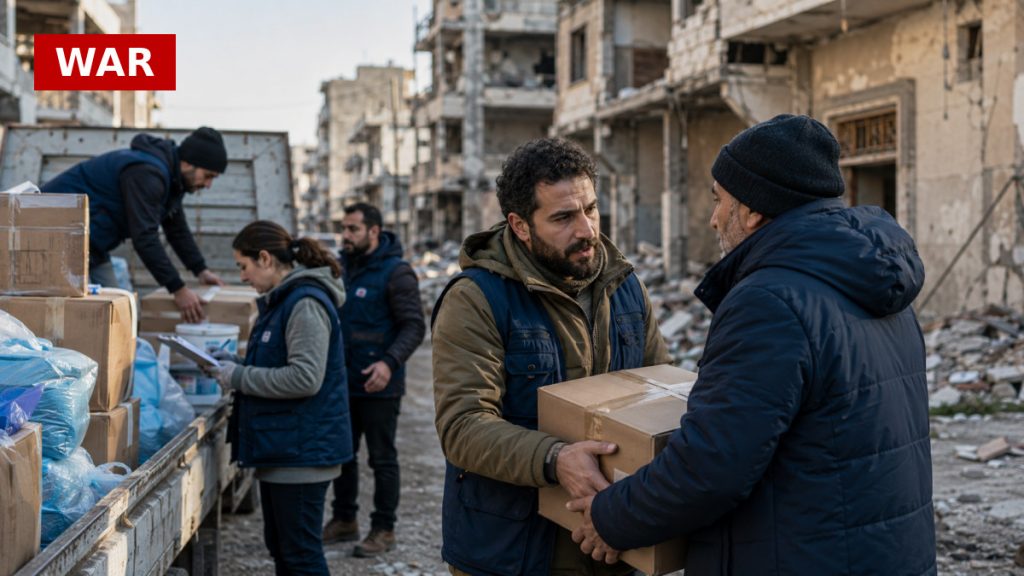
The ongoing US-Iran war is prompting Gulf Cooperation Council (GCC) nations to rethink their security strategies. Analysts suggest that the conflict has highlighted vulnerabilities in relying solely on US military support, leading to a diversification of security partnerships. Countries like Saudi Arabia are already exploring alliances with Pakistan and strengthening ties with China and European nations.
Despite Iranian aggression, GCC states are maintaining dialogue with Tehran, aiming to foster economic interdependence as a deterrent against future attacks. This shift could reshape regional dynamics, as Gulf nations seek to balance power between Iran and Israel while developing their own defensive capabilities.
The recent memorandum of understanding between the US and Iran has opened avenues for Gulf states to engage in unprecedented discussions with Tehran, focusing on economic cooperation. This approach suggests a strategic pivot towards making economic ties a priority, potentially reducing the likelihood of military confrontations.
As the US reassesses its role in the Middle East, Gulf countries are likely to pursue a more autonomous security framework. This evolution could lead to a significant transformation in regional alliances and the overall security landscape, with long-term implications for international relations in the Gulf region.
Source: Al Jazeera