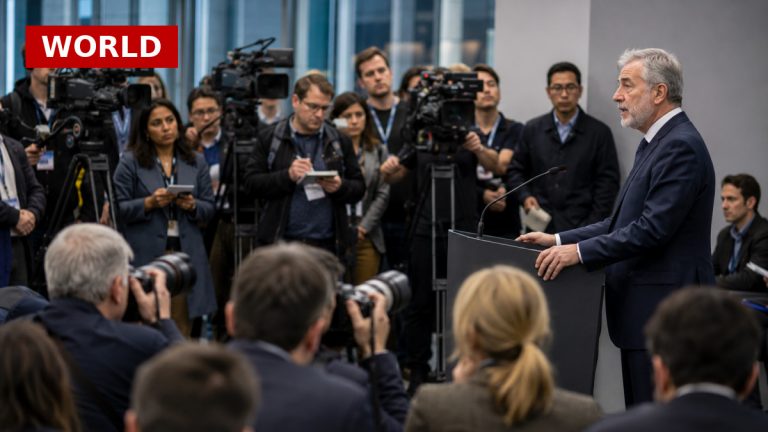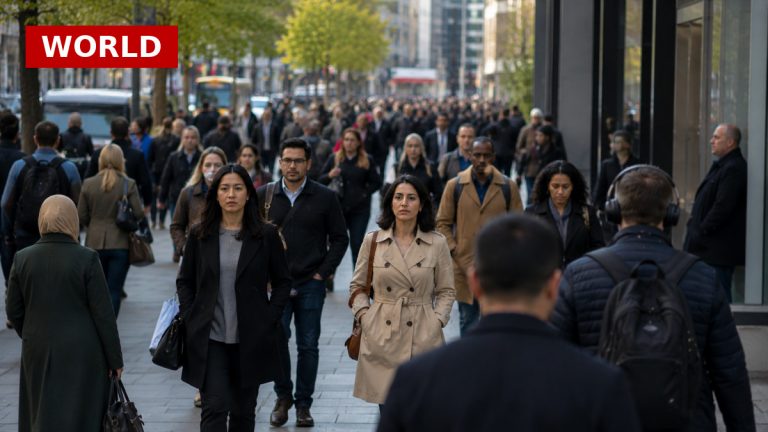
Harare experienced an unusual quietness as residents braced for a potential nationwide shutdown in response to controversial constitutional amendments. The streets were notably less congested, with fewer cars and a subdued atmosphere, reflecting the public’s apprehension about possible protests against the government’s recent decisions.
A heavy police presence was evident throughout the city, with officers deployed to prevent any gatherings. This heightened security was a direct response to opposition calls for a shutdown, aimed at challenging amendments that critics argue could extend President Emmerson Mnangagwa’s rule until 2030. The amendments, which shift the presidential election timeline and alter how presidents are elected, have sparked significant backlash from civil society and opposition groups.
Despite the initial tension, the day progressed without major disruptions, as businesses gradually resumed normal operations. However, the underlying issues surrounding the constitutional changes remain unresolved, with opposition groups planning to challenge the amendments in court. This ongoing dispute highlights the fragile state of Zimbabwe’s democracy and the potential for future unrest.
As Harare returned to its routine, the implications of these constitutional changes linger, raising questions about the future of political accountability and the democratic process in Zimbabwe. The government’s justification for the amendments as a means to reduce electoral tensions is met with skepticism from those who fear a consolidation of power.
Source: Al Jazeera