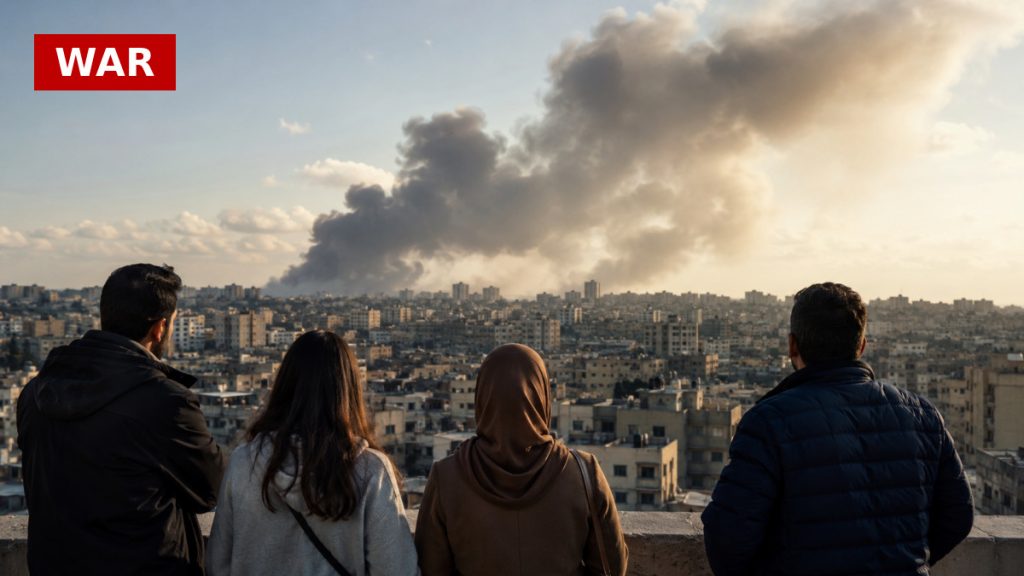
Hezbollah has adopted fibre-optic drones as a primary weapon against Israel, marking a significant shift in tactics. These drones, which are harder to detect than traditional missiles, have been responsible for numerous attacks since a ceasefire began in April. This new method of warfare poses a unique challenge for Israeli forces, as the drones can strike with little warning, creating a heightened sense of fear among communities near the border.
The drones are connected to their operators via thin optical wires, allowing for precise targeting. This technology, learned from the conflict in Ukraine, enables Hezbollah to carry out attacks that can bypass Israel’s military defences. As a result, Israeli soldiers and civilians alike are increasingly at risk, with reports indicating that many casualties have occurred due to these drone strikes.
This evolving threat not only impacts military strategy but also affects daily life for those living in border communities. Residents now face the constant anxiety of drone attacks, which can occur without the advance warning typically associated with rocket fire. The psychological toll on these communities is significant, as families must adapt to a new reality of living under the threat of drone warfare.
As tensions escalate, Israel’s military response is likely to intensify. Calls for retaliatory strikes against Hezbollah’s infrastructure in Lebanon are growing, indicating that the conflict may further escalate. For ordinary citizens, this means increased instability and uncertainty in the region, with potential implications for security and safety in the broader area.
Source: BBC News