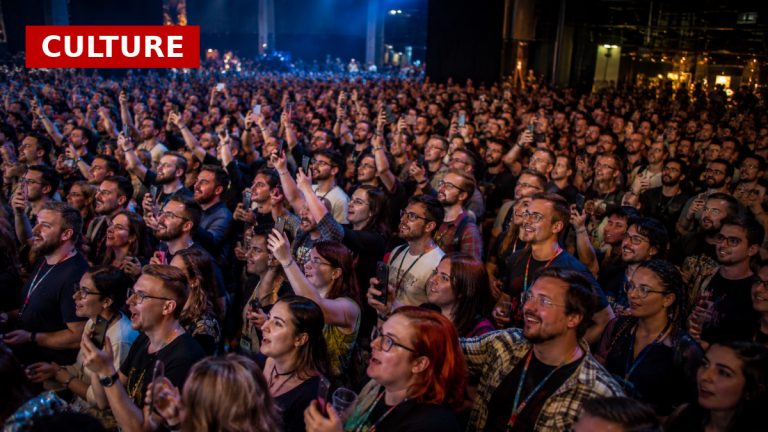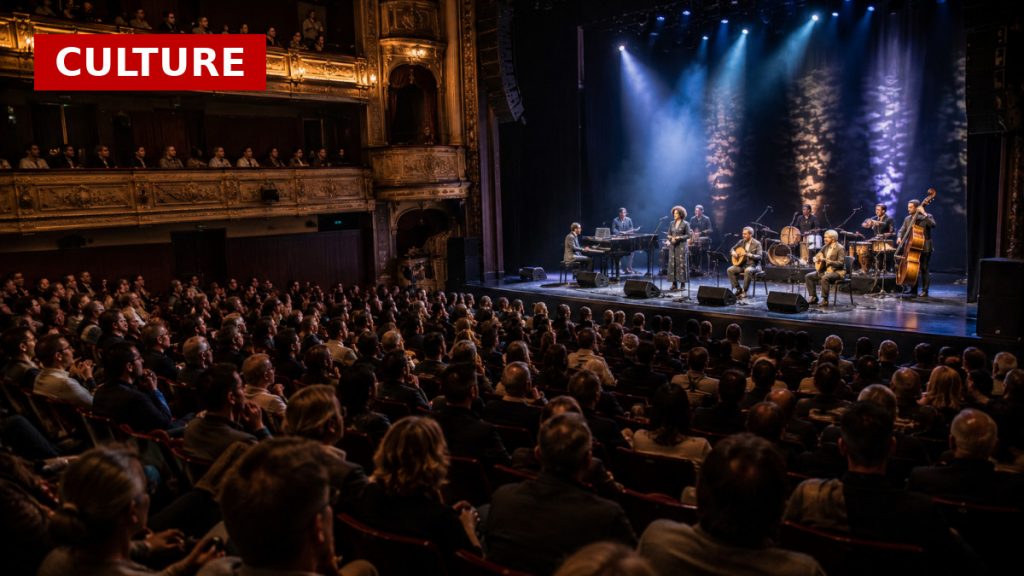
In an age where nearly everyone documents their experiences through smartphone cameras, the implications extend beyond mere nostalgia. This trend has created a culture where reality is often filtered through a lens, leading to a disconnect from genuine experiences. As people focus on capturing the perfect shot, they may miss the moment entirely, prioritising social media validation over real-life engagement.
Moreover, the rise of ‘hybrid behaviour’—where individuals film dangerous activities for online attention—has led to tragic consequences. Reckless driving and fatal selfies are just two examples of how the desire for likes can overshadow personal safety. The camera, once a tool for storytelling, has morphed into a catalyst for risk-taking, blurring the lines between reality and performance.
This phenomenon raises critical questions about our relationship with technology. Are we becoming passive observers of our own lives, more concerned with how we appear online than how we truly feel? The psychological impacts of this shift are profound, as individuals grapple with self-worth tied to digital approval rather than authentic connections.
Ultimately, as we navigate this new landscape, it’s essential to reflect on the balance between documenting our lives and truly living them. The challenge lies in reclaiming our experiences from the lens, ensuring that we engage with the world around us rather than merely capturing it for an audience.
Source: The Guardian