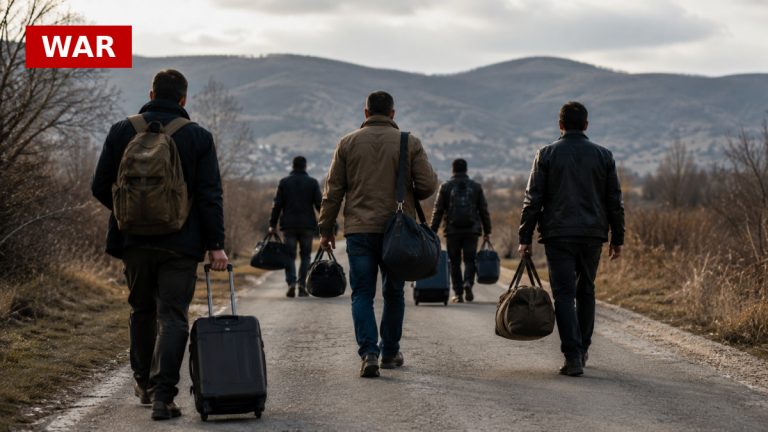
The emergence of the so-called ‘house of sisters’ in Syria has sparked significant societal tensions, particularly among the Alawite community. This alleged facility, where women from various sects are purportedly coerced into converting to Islam, has become a focal point for fear and mistrust. Despite the lack of concrete evidence for its existence, the rumor has led to real consequences, including families fleeing the country to escape perceived threats.
Layla, an Alawite mother, shared her harrowing experience of intimidation, which ultimately forced her family to leave Syria. The fear of losing her children to such extremist ideologies reflects a broader anxiety within communities that feel targeted. This situation highlights how unverified claims can escalate into significant societal divides, influencing everyday lives and decisions.
The narrative surrounding the ‘house of sisters’ has been fueled by social media, where misinformation spreads rapidly. Organizations like Verify-Sy have pointed out that many claims are unsubstantiated, yet they continue to shape public perception and community dynamics. This phenomenon underscores the vulnerability of societies to manipulation through fear-based narratives.
As various groups leverage this rumor for their agendas, the implications extend beyond individual families. The ‘house of sisters’ serves as a warning about the power of misinformation in conflict zones, where the line between reality and rumor can blur, leading to profound societal impacts and long-lasting divisions.
Source: DW News