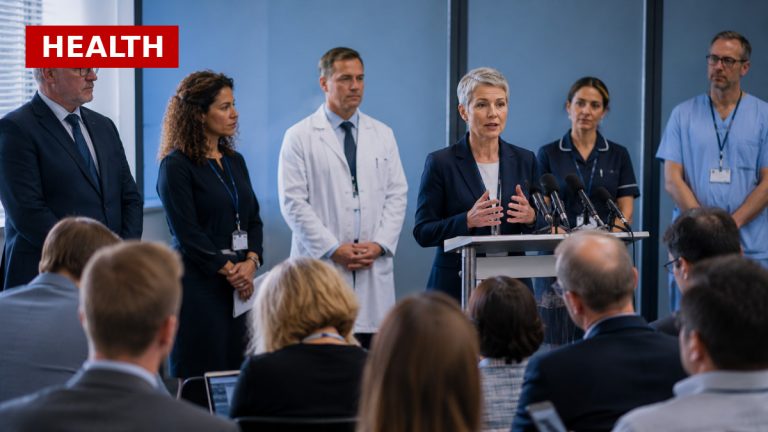
Prof Pierre Akilimali leads the response to the ongoing Ebola outbreak in the Democratic Republic of the Congo, which has claimed over 2,700 lives. He emphasizes that statistics are not just numbers; each one represents a person, a family, and a community grappling with profound loss. This human perspective is crucial to understanding the emotional and social consequences of the outbreak.
As Akilimali notes, the DRC has faced numerous Ebola outbreaks, leading to a deep-seated mistrust among communities towards health institutions. The challenge lies not only in managing the virus but in rebuilding this trust. Responses that respect community needs and experiences have proven to be more effective, especially in a region marked by previous neglect and conflict.
Healthcare workers are under immense pressure, working tirelessly to contain the virus while also ensuring that the wider health system remains functional. Akilimali warns against allowing the Ebola response to overshadow other health services, which could lead to greater public health crises.
The ongoing situation highlights the need for solidarity and support from both local and international partners. Akilimali’s leadership reflects a commitment to a community-focused approach that prioritises human dignity amidst a public health emergency, underscoring the intricate link between health policy and human lives.
Source: The Guardian