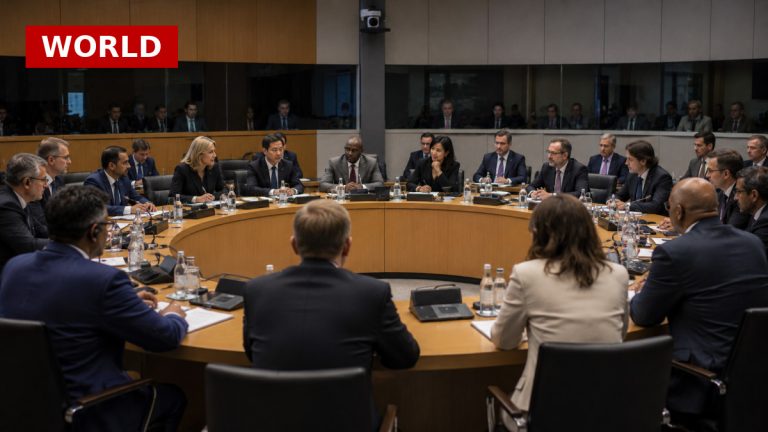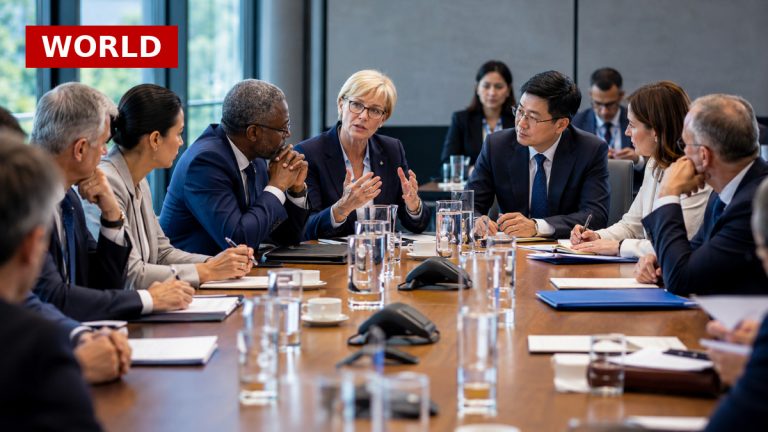
Ukraine’s bid to join the European Union has gained significant momentum following Hungary’s recent decision to lift a long-standing veto. This change, initiated by Hungary’s new government, marks a pivotal moment for Ukraine as it seeks EU membership amidst ongoing conflict with Russia. The lifting of the veto allows for the resumption of membership negotiations, which will begin with discussions on fundamental principles such as the rule of law.
This development is not just symbolic; it reflects a strategic shift within the EU towards enlargement, particularly in light of geopolitical tensions. As EU leaders emphasize the importance of a larger union in uncertain times, Ukraine’s accession could reshape regional dynamics and enhance security cooperation. However, the path to membership remains complex, with negotiations expected to span years and involve rigorous assessments across various sectors.
Hungary’s new Prime Minister has indicated that while the veto is lifted, a fast-track process for Ukraine’s membership is not supported. Instead, a referendum may be held if Ukraine successfully navigates all required accession chapters within the next decade. This cautious approach suggests that while progress is being made, significant hurdles remain.
As negotiations commence, the focus will be on Ukraine’s reforms and adherence to EU standards. The outcome of these talks could have profound implications for Ukraine’s future, influencing not only its political landscape but also its economic stability and integration into European structures.
Source: France 24