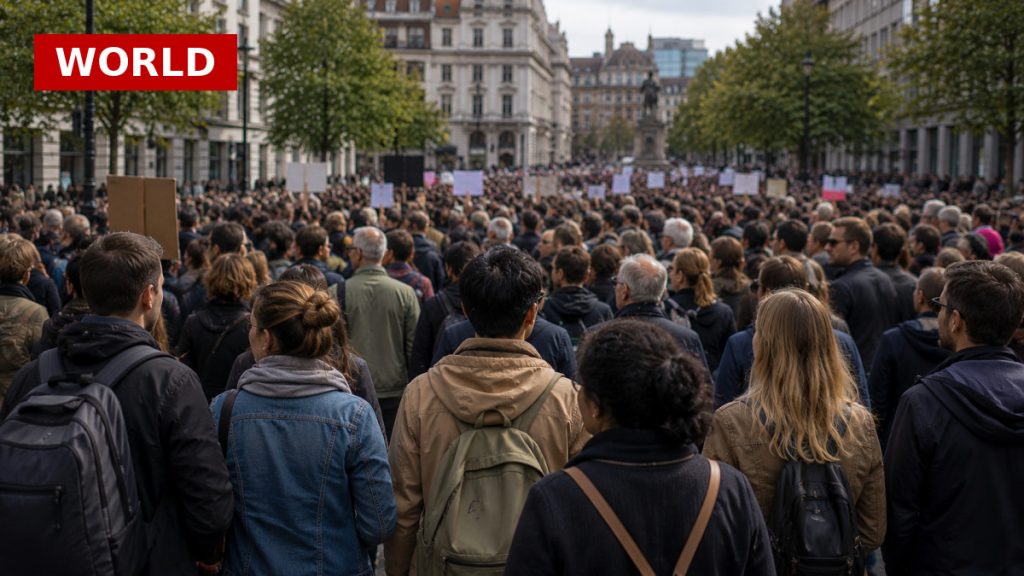
The recent death of Senator Lindsey Graham, a prominent ally of Israel in the US Senate, raises significant questions about the future of US-Israel relations. Graham’s unwavering support for Israel and his advocacy for military action against Iran have been pivotal in shaping US foreign policy in the Middle East. His absence may create a vacuum in Congress, potentially altering the dynamics of support for Israel, especially as new leaders emerge.
Graham’s role as a key figure in the Senate Budget Committee and his influence on appropriations could also affect funding allocations for military aid to Israel. With his passing, there is uncertainty about whether his successors will maintain the same level of commitment to Israel’s security needs, which could have long-term implications for the region.
Moreover, Graham’s strong stance on national security and the War on Terror has resonated with many Republican voters. His death may shift the focus of the party’s foreign policy discussions, particularly as the GOP navigates its identity in a post-Trump era. This could lead to a reassessment of military strategies and alliances, impacting not just Israel but broader geopolitical stability.
As the US grapples with these changes, the implications of Graham’s passing extend beyond immediate political circles, potentially influencing public opinion and future elections. The evolving landscape of US foreign policy will be closely watched, particularly by those invested in the ongoing conflict in the Middle East.
Source: Al Jazeera