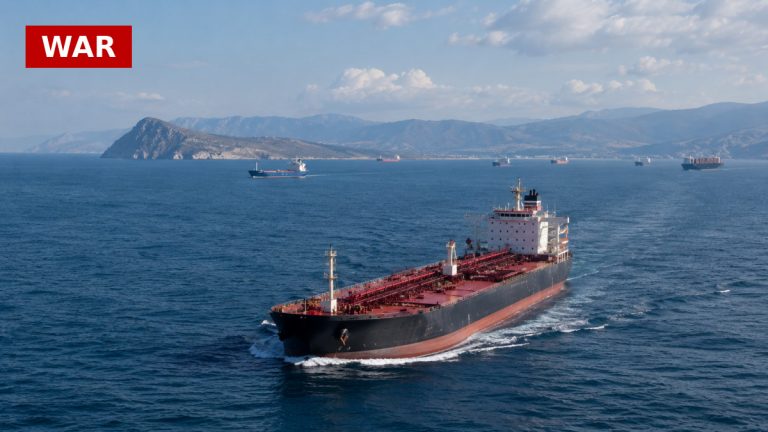
As the 60-day deadline for a peace deal with Iran approaches, the stakes are rising for global oil markets and geopolitical stability. The ongoing tensions over the Strait of Hormuz, a critical passage for oil shipments, could lead to significant disruptions if negotiations fail. Iran’s insistence on controlling the strait and the U.S. refusal to concede could escalate military confrontations, impacting not just regional players but also global economies.
The potential for increased oil prices looms large, especially as the U.S. grapples with its own economic pressures ahead of congressional elections. Should Iran’s demands be met, it could set a precedent for other nations to challenge U.S. influence in international waters, fundamentally altering trade dynamics. Conversely, a hardline U.S. stance may provoke further Iranian aggression, exacerbating the situation.
Moreover, the humanitarian implications are severe, as Iran’s economy suffers under sanctions, potentially igniting domestic unrest. The ripple effects of this conflict could extend beyond the Middle East, affecting energy prices and supply chains worldwide. As both sides remain entrenched in their positions, the urgency for a diplomatic resolution becomes increasingly critical.
With the deadline now passed, the international community watches closely, aware that the consequences of inaction could reverberate far beyond the immediate region, influencing global stability and economic health.
Source: PBS News