Iran is grappling with a rising domestic armed threat, particularly from ethnic groups supported externally. The Islamic Revolutionary Guard Corps (IRGC) has reported clashes with small armed cells and has arrested individuals allegedly linked to anti-government movements, framing these actions as necessary for national security. This crackdown comes as public discontent grows due to economic hardships, raising fears of potential protests.
The Kurdish and Baloch armed groups pose significant challenges, with the IRGC actively targeting their bases in Iraq. Reports suggest that these groups, labelled as terrorists by Tehran, could gain increased external support, complicating the security landscape further. The Iranian government perceives any such support as a direct threat to its stability, especially during the ongoing conflict with Israel and the US.
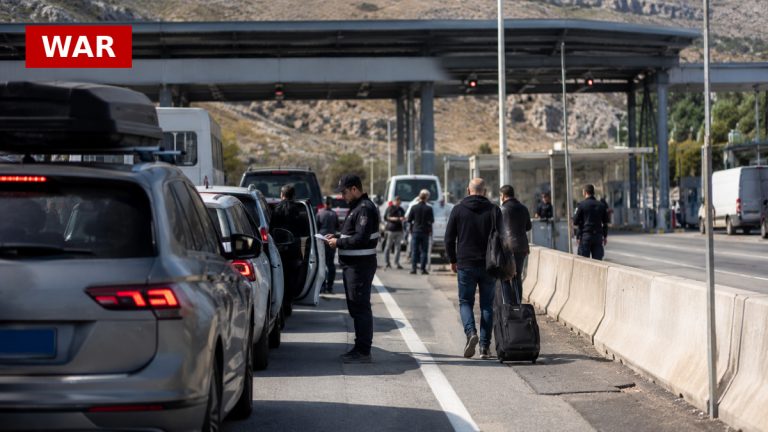
As tensions escalate, the Iranian authorities are intensifying border security measures to counteract these armed groups. The situation is precarious, with the potential for increased violence if external backing for these groups materializes. The Iranian leadership’s response to these threats will likely shape the country’s internal and external policies moving forward.
The implications of these developments extend beyond Iran, affecting regional stability and international relations. The interplay between domestic unrest and external military support could lead to a more volatile situation, prompting a reevaluation of strategies by both Iranian authorities and foreign powers involved in the region.
Source: Al Jazeera