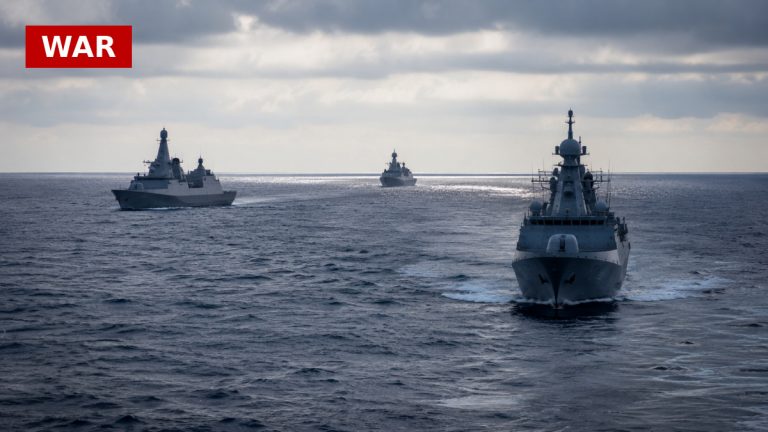
Iran’s recent missile strikes on Israel mark a significant shift in its military strategy, moving from proxy warfare to direct engagement. This change comes after weeks of escalating tensions, particularly following Israeli attacks on Lebanon, which Iran has deemed unacceptable. Analysts suggest that Iran’s willingness to directly retaliate signals a new phase in its defense of regional allies like Hezbollah, raising concerns about the potential for broader conflict.
The implications of this shift are profound. By directly involving itself in the conflict, Iran is not only defending its proxies but also redefining its role in the region. This could lead to increased military confrontations, complicating any ongoing diplomatic efforts for a ceasefire. The U.S. has been attempting to mediate peace, but Iran’s actions suggest that it will not accept a deal that does not include protections for its allies in Lebanon.
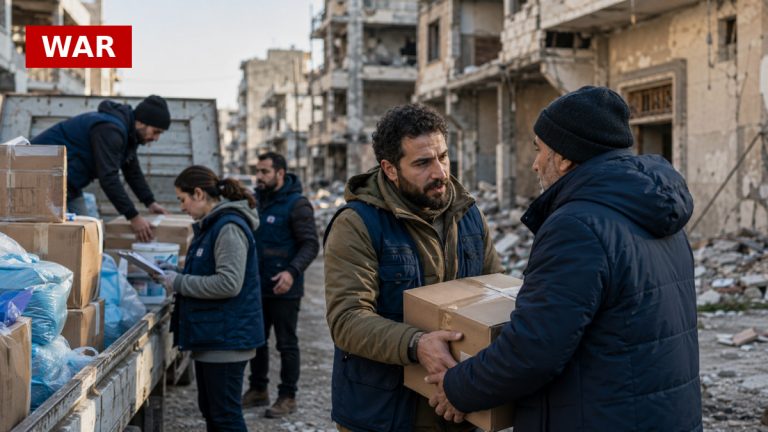
Moreover, the situation in Lebanon has deteriorated significantly, with thousands killed and over a million displaced since the resurgence of conflict. The humanitarian crisis is exacerbated by ongoing Israeli military operations, which have drawn international scrutiny. As Iran asserts its military capabilities, the risk of a wider regional war increases, potentially destabilizing the entire Middle East.
As the conflict evolves, the question remains whether the U.S. can effectively negotiate peace while Israel continues its military actions. Iran’s new stance indicates that any future agreements will likely hinge on the fate of its regional allies, making the path to peace increasingly complex and fraught with danger.
Source: Al Jazeera