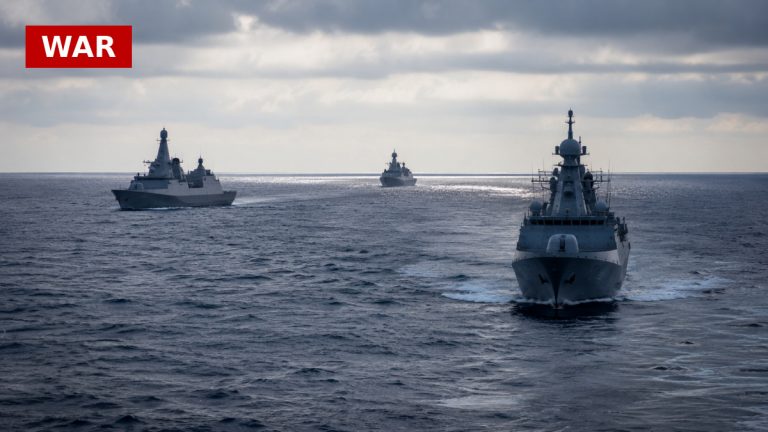
Iran’s recent rejection of a proposal to divide the Strait of Hormuz and its ballistic missile strike on US forces in Jordan mark a significant escalation in regional tensions. This move signals Tehran’s intent to assert control over a critical shipping route, which is vital for global oil supplies. The implications of this are profound, as any disruption in the Strait could lead to soaring oil prices and heightened geopolitical instability.
The Iranian leadership’s declaration that the Strait will ‘never return to its prewar situation’ indicates a long-term strategy to maintain military dominance in the region. This could lead to increased military presence from the US and its allies, further complicating diplomatic efforts and potentially igniting broader conflict.
Moreover, the strike on US forces is a clear message that Iran is willing to escalate its military actions, which could provoke retaliatory strikes from the US and its partners. The immediate reaction in oil markets, with prices jumping 5%, underscores the economic ramifications of these military actions, affecting consumers and businesses worldwide.
As Iran continues to leverage its proxy networks and military capabilities, the situation remains volatile. The potential for miscalculation or unintended escalation is high, making it crucial for international stakeholders to navigate this complex landscape carefully. The ongoing conflict could reshape alliances and influence global energy markets for years to come.
Source: Euronews