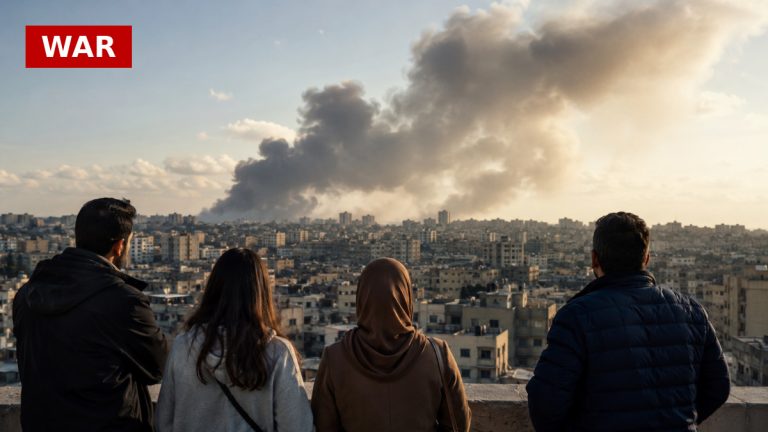
Iran has launched missiles at Israel for the first time since a ceasefire in April, marking a significant escalation in regional tensions. This attack comes in response to Israeli strikes on Beirut, as Iranian leaders assert that Israel has crossed critical boundaries. The Iranian military has warned of further retaliation if Israel continues its operations in southern Lebanon.
The implications of this missile strike extend beyond immediate military concerns. It signals a potential shift in Iran’s military strategy, showcasing its willingness to directly engage Israel rather than relying solely on proxy forces. This could lead to a more volatile security environment in the region, affecting not just Israel but also neighbouring countries and international stakeholders.
For Israel, the successful interception of the missiles by its air defence systems demonstrates its military capabilities but also highlights the ongoing threat from Iran. The situation may prompt Israel to reassess its military tactics and diplomatic strategies in the region, particularly regarding its operations in Lebanon and its broader approach to Iranian influence.
As tensions rise, the potential for miscalculations increases, which could lead to a broader conflict. This incident serves as a reminder of the fragile nature of peace in the region and the complex interplay of military actions and political rhetoric that could have far-reaching consequences for all involved.
Source: Euronews