Iran’s recent missile attacks on US bases in the Middle East signal a significant escalation in tensions, particularly as US President Trump meets with Israeli Prime Minister Netanyahu. This timing suggests Iran is attempting to assert its influence in ongoing negotiations, highlighting its dissatisfaction with US actions and intentions.
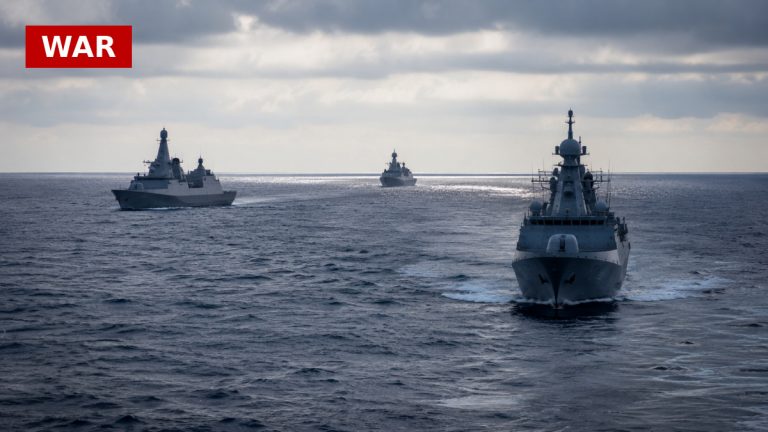
The Iranian Revolutionary Guard Corps (IRGC) launched multiple ballistic missiles, which were intercepted by US forces. This incident not only raises concerns about military engagement but also impacts oil prices, with futures surging following the attacks. Such fluctuations could affect household energy costs in the UK, as global oil prices directly influence local fuel prices.
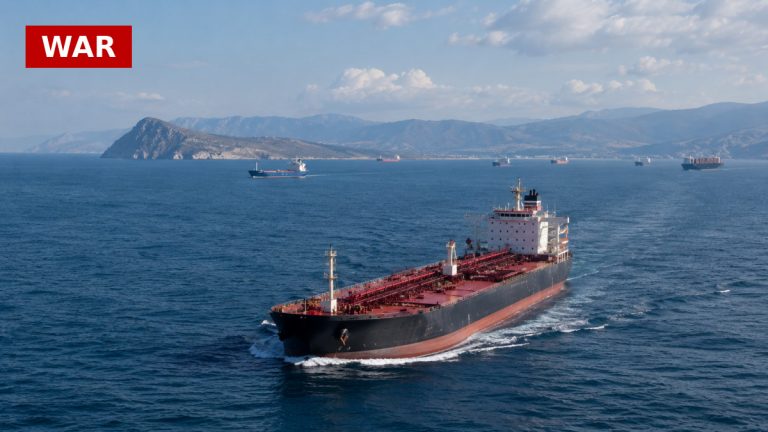
Moreover, Iran’s rejection of Oman’s proposal to manage shipping in the Strait of Hormuz indicates a refusal to compromise, which could lead to increased shipping disruptions. The Strait is a crucial route for oil transport, and any instability could have far-reaching effects on global markets, including the UK.
As the situation develops, the potential for further military action remains high, with both sides on alert. The implications of these tensions extend beyond immediate military concerns, affecting international diplomacy and economic stability, which could resonate in everyday life for many in the UK.
Source: Al Jazeera