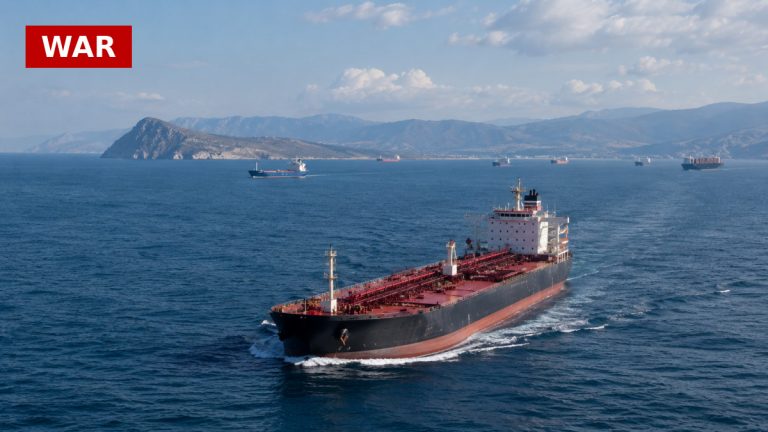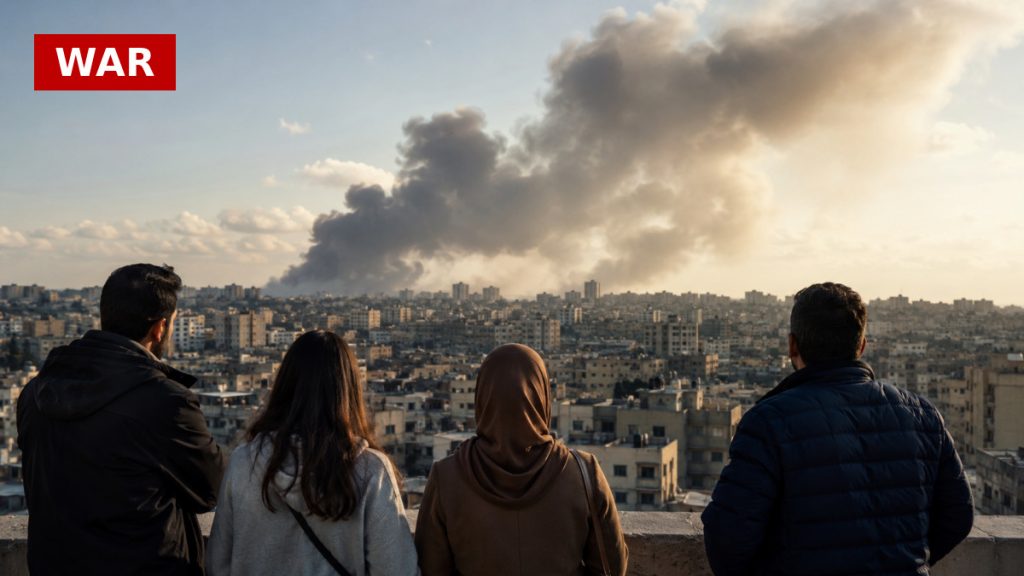
Recent claims by former US President Donald Trump about a largely negotiated peace deal with Iran have sparked immediate backlash from Tehran. While Trump suggested that discussions were progressing towards an agreement to open the critical Strait of Hormuz, Iranian officials firmly rejected this assertion, insisting that control over the strait remains firmly in their hands. This disagreement highlights the fragile nature of negotiations and the potential for escalating tensions in the region.
The Strait of Hormuz is a vital maritime route for global oil and gas supplies, and any disruption could have significant implications for energy prices and security. Iran’s insistence on maintaining control over this strategic chokepoint raises concerns among Gulf states and could lead to further military posturing. As negotiations continue, the stakes are high for countries reliant on this route for their energy needs.
Moreover, the ongoing diplomatic efforts, mediated by Pakistan, reflect a complex web of regional politics. While there are signs of potential rapprochement, Iranian officials have cautioned that reaching a comprehensive agreement is far from guaranteed. The situation remains fluid, with both sides exchanging proposals that could shape future relations.
For the UK, the implications of these developments could be felt in energy markets and geopolitical stability. As tensions rise, the potential for increased oil prices may impact household bills and overall economic conditions, making it crucial for the public to stay informed about these unfolding events.
Source: Radio Free Europe/Radio Liberty