Iran has firmly stated that it will not allow the United States to dictate the terms of war and peace between the two nations. This declaration comes amid a temporary pause in military exchanges, raising hopes for renewed diplomatic efforts led by Qatar and Pakistan. Iran’s Foreign Ministry emphasized that any future negotiations will be based solely on its national interests, highlighting a shift in power dynamics in the region.
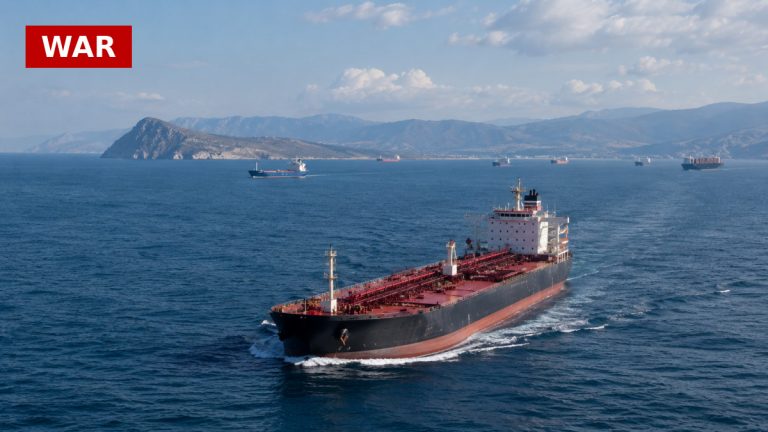
The situation in the Strait of Hormuz remains critical, as Iran asserts its sovereignty over this vital waterway, which is crucial for global oil trade. Despite ongoing talks with Oman regarding the strait’s administration, Iran insists that any agreements must respect its territorial integrity. This stance could have significant implications for international shipping and oil prices, especially if tensions escalate again.
Domestically, Iran faces severe economic challenges, including inflation and shortages of essential goods. Many families are struggling to afford basic necessities, which could lead to increased public discontent and unrest. The economic pressure is compounded by the geopolitical tensions, as military actions and sanctions continue to impact everyday life in Iran.
As the US maintains a military presence in the region, the potential for renewed conflict remains high. The interplay between military strategy and economic stability will be crucial in determining the future of US-Iran relations and the broader implications for global markets and security.
Source: Euronews