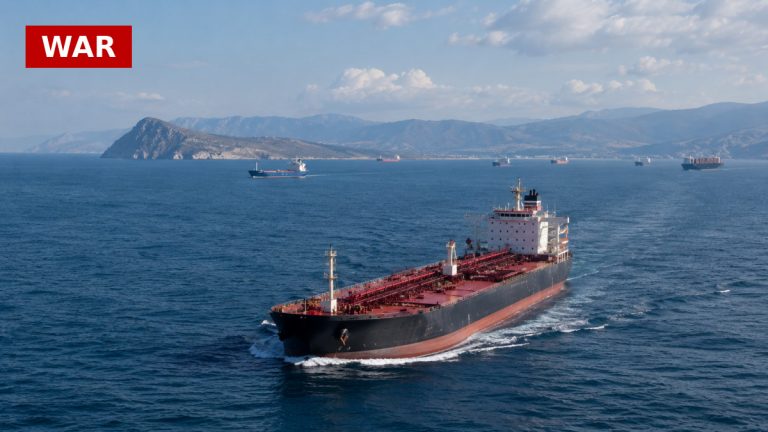
The ongoing tensions between the US and Iran are not only affecting the Strait of Hormuz but also threatening alternative oil routes in the Gulf. As Iran demonstrates its capability to disrupt shipping traffic, oil producers are increasingly concerned about their ability to export crude oil and gas safely. This situation could lead to significant economic repercussions, not just for the Gulf states but for global energy markets as well.
With Iran’s recent attacks on tankers and military facilities, the risk of retaliation against Gulf oil infrastructure has escalated. Analysts warn that further military actions could severely impact refineries, ports, and pipelines, potentially leading to oil shortages worldwide. The Strait of Hormuz is crucial, accounting for a substantial portion of global oil and gas exports, and any disruption could ripple through economies reliant on these energy supplies.
Countries like Saudi Arabia and the UAE are exploring alternative routes to bypass the strait, but these options are limited in capacity and may not fully compensate for the volumes typically transported through Hormuz. The development of new pipelines is a long-term solution that requires significant investment and time, leaving producers vulnerable in the short term.
Iran’s strategy appears to be clear: it aims to raise the stakes for any military engagement by threatening energy supplies. This could lead to a broader conflict that not only affects regional stability but also has far-reaching implications for global energy prices and availability, making it a critical issue for consumers and businesses alike.
Source: DW News