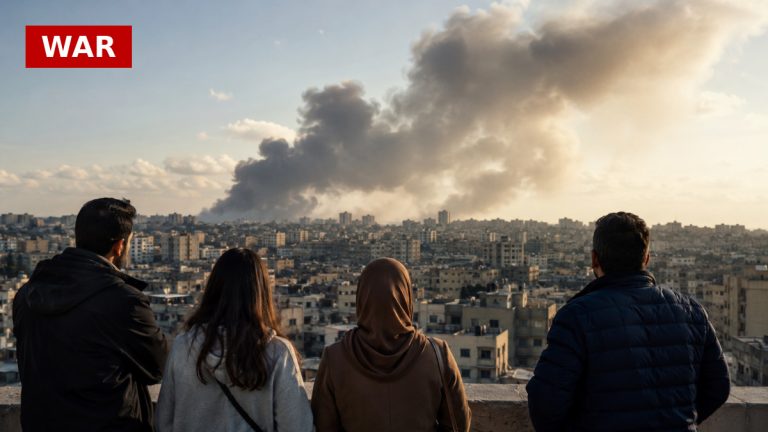
Iraq is currently facing a precarious situation as it finds itself trapped between the conflicting interests of the US and Iran. Following the assassination of a key Iranian leader, drone strikes have targeted Iraq’s oil infrastructure, highlighting the country’s vulnerability. These attacks not only threaten Iraq’s economy but also expose the fragility of its sovereignty, as many are carried out by local militias with ties to Iran.
The ongoing violence has led to a mass exodus of foreign workers from the oil sector, raising concerns about the future of Iraq’s energy production. The Iraqi government, while attempting to assert control, struggles against powerful militia groups that operate independently and often prioritize their own agendas over national interests. This internal conflict complicates Iraq’s ability to stabilize its economy and maintain international relations.
As the US-backed Iraqi government pushes for disarmament of these militias, resistance remains strong. The deadline for disarmament has not deterred the militias, who continue to attack oil facilities, further destabilizing the region. This ongoing conflict not only threatens Iraq’s oil revenues but also its reputation as a safe investment destination.
The situation in Iraq serves as a stark reminder of the complexities of regional politics, where local factions can significantly impact national stability. The interplay between foreign influence and domestic power struggles will likely shape Iraq’s future, with implications for global oil markets and regional security.
Source: The Guardian