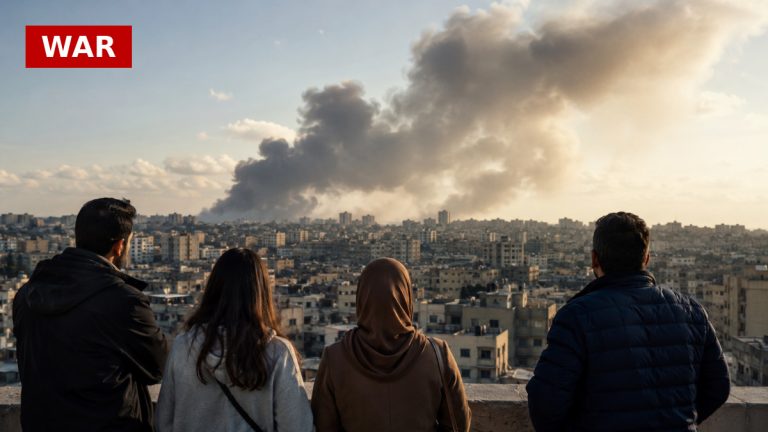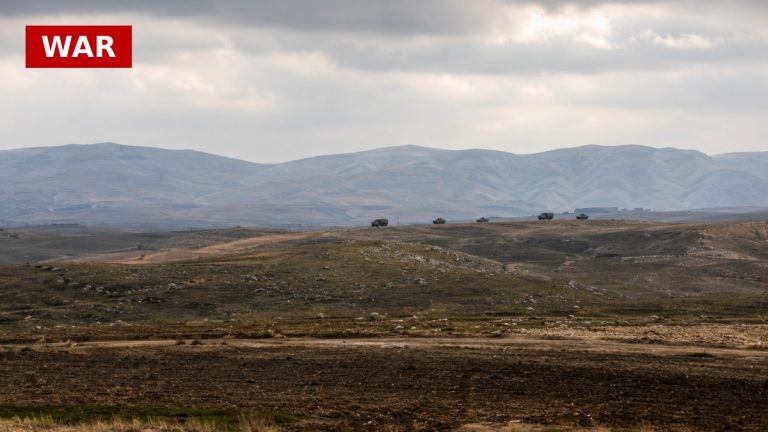
The seventh round of Israel-Lebanon talks has commenced in Rome, aiming to establish new pilot zones for Israeli withdrawal from southern Lebanon. This dialogue is crucial as it comes amidst ongoing Israeli military actions in the region, which have resulted in significant casualties and displacement since fighting escalated in March. The negotiations are mediated by the United States and involve high-level military and political representatives from both sides.
A key focus of these talks is the proposed framework for the Lebanese army to regain control over areas currently occupied by Israeli forces. The success of these discussions could lead to a gradual Israeli withdrawal, contingent on the disarmament of Hezbollah, a major player in the conflict. However, the situation remains precarious, with Israeli officials indicating that their military presence will persist as long as Hezbollah is armed.
The implications of these talks extend beyond immediate military concerns; they could reshape the security landscape in southern Lebanon and influence regional stability. If successful, this could alleviate tensions and foster a more secure environment for local communities, which have suffered greatly from the conflict.
However, skepticism remains, particularly from Hezbollah, which has dismissed the negotiations as futile. The outcome of these talks may not only affect Israel and Lebanon but could also have broader implications for US foreign policy and its role in Middle Eastern diplomacy.
Source: Al Jazeera