The recent movement of the so-called ‘Yellow Line’ by Israeli forces in Gaza is not just a territorial shift; it represents a significant escalation in a long-standing strategy of annexation. By advancing these concrete markers, which originally served as ceasefire demarcations, Israel has effectively expanded its control over vast areas of Gaza, now covering nearly 65% of the territory. This change has dire consequences for local residents, many of whom are facing forced displacement and loss of their livelihoods.
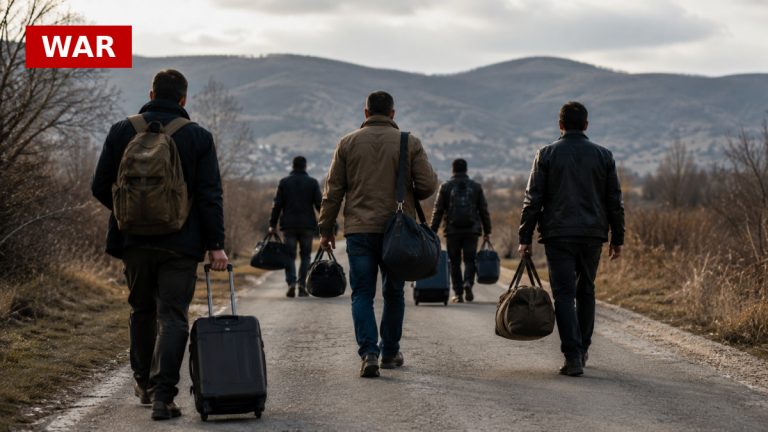
Residents report that the advancing line is accompanied by military aggression, with threats of violence against those who resist evacuation. This tactic mirrors historical patterns seen after the 1967 war, suggesting a systematic approach to solidify military presence and control. As local communities are uprooted, vital infrastructure, including water and sewage systems, becomes increasingly inaccessible, leading to potential public health crises.
The implications of this territorial shift extend beyond immediate displacement. The ongoing expansion of military outposts and surveillance in the region indicates a transition from temporary occupation to permanent annexation. This strategy not only alters the demographics of Gaza but also exacerbates humanitarian conditions, as access to aid and basic services is severely restricted.
With Israeli political leaders openly celebrating these developments, the situation raises urgent questions about the future of Palestinian territories and the international community’s response. As Gaza’s residents grapple with the immediate impacts of these changes, the broader consequences for regional stability and human rights are becoming increasingly alarming.
Source: Al Jazeera